
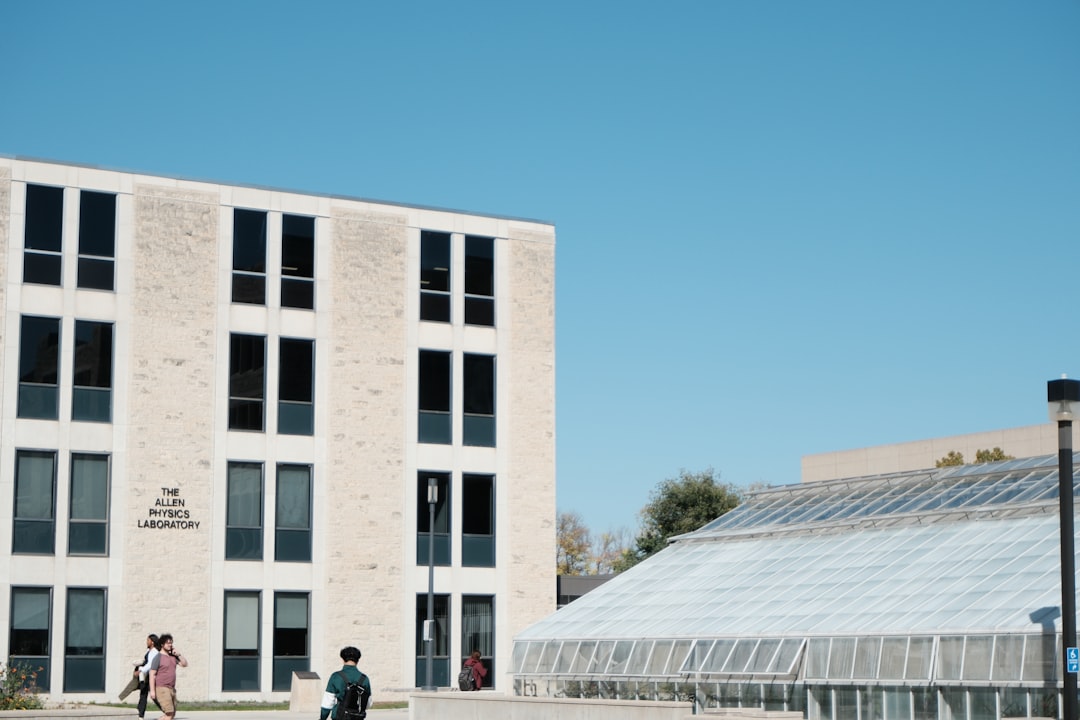
A closer look at the Erik Jonsson School of Engineering at UT Dallas, from academics and research to internships, student life, and career outcomes. #utdallas #engineeringeducation #stemcareers #researchinnovation #studentlife #techskills
For students comparing engineering schools in Texas, the Erik Jonsson School of Engineering and Computer Science at the University of Texas at Dallas has become a name worth serious attention. It sits at the intersection of academic rigor, fast-growing research activity, and access to one of the country’s strongest technology corridors. That combination makes it especially attractive to future engineers, computer scientists, data specialists, and innovators who want both classroom depth and real-world relevance.
The school has built a reputation around modern engineering education rather than old assumptions about what technical training should look like. Today’s engineering students are not preparing for a single fixed career path. They are entering a landscape shaped by artificial intelligence, cloud infrastructure, robotics, cybersecurity, advanced manufacturing, health technology, and data-driven decision-making. A strong engineering school has to reflect that reality, and the Jonsson School stands out because it does.
At a practical level, students are drawn to UT Dallas for its broad portfolio of programs, research opportunities, and close proximity to employers across the Dallas-Fort Worth metroplex. At a bigger-picture level, the school appeals to learners who want an education connected to the technologies changing industry right now.
What makes the Jonsson School distinctive
Engineering schools often promote similar strengths: solid faculty, good labs, and career readiness. What sets the Erik Jonsson School apart is how consistently it connects these elements. Students are not only studying theory; they are learning in an environment shaped by research, interdisciplinary collaboration, and industry demand.
The school’s location is one of its greatest assets. North Texas has grown into a major center for telecommunications, software, defense, finance, healthcare technology, and semiconductor-related activity. That gives students access to internships, networking, and employment pathways without needing to leave the region. For many learners, this kind of ecosystem matters as much as rankings or brochures because it directly affects what happens after graduation.
The Jonsson School also benefits from being part of UT Dallas’ engineering ecosystem, where engineering and computer science are closely tied to research centers, entrepreneurial activity, and emerging technical fields. That makes the school especially relevant for students who do not want a narrow or outdated engineering education.
Academic programs built for modern industry
One of the biggest strengths of the school is the range of disciplines students can explore. Traditional areas remain important, but the academic environment also reflects how engineering fields are blending together.
Students can pursue pathways across computer science, electrical engineering, mechanical engineering, biomedical engineering, materials science, software engineering, systems engineering, and related technical domains. This variety matters because many of today’s careers sit between disciplines rather than inside one perfectly defined category.
Strong foundations with room to specialize
A successful engineering education still begins with fundamentals. Mathematics, physics, programming, design, systems thinking, and problem-solving remain essential. The difference is that those fundamentals are now applied in more dynamic ways.
At UT Dallas, students can build core technical knowledge and then move into specialization areas that align with current industry needs. Depending on the program, that may include machine learning, embedded systems, signal processing, software architecture, power systems, microelectronics, computer networks, bioengineering applications, or intelligent systems.
This structure is valuable for students who want flexibility. Many begin college with a general interest in engineering but discover specific interests once they are exposed to labs, faculty research, or team projects. A school with breadth makes that exploration easier and more meaningful.
Graduate study and research pathways
The Jonsson School is also relevant for students thinking beyond a bachelor’s degree. Master’s and doctoral opportunities matter because they expand the school’s research culture and create a more ambitious academic environment overall. Undergraduates benefit when they study in a setting where advanced work is visible, active, and well supported.
Graduate-focused research also helps the school stay aligned with fast-moving sectors. As industries evolve, universities that invest in new research areas are better positioned to update courses, attract expert faculty, and prepare students for changing career demands.
- Broad engineering and computer science program options
- Interdisciplinary learning across hardware, software, and data
- Opportunities to connect undergraduate learning with advanced research
- Curriculum relevance for both traditional and emerging engineering roles
Research areas shaping the future
Research is one of the clearest indicators of whether an engineering school is building for the future. At UT Dallas, the Jonsson School’s research culture supports both academic reputation and student opportunity. Even for students who do not plan to become full-time researchers, exposure to active research environments strengthens technical judgment and problem-solving ability.
Artificial intelligence, computing, and data systems
AI and advanced computing are no longer niche topics. They now influence everything from logistics and healthcare to finance, autonomous systems, language tools, and scientific discovery. Schools that invest in computing research are preparing students for one of the most important shifts in modern industry.
That is why programs tied to machine learning, software systems, data science, and intelligent computing remain especially important. Students interested in practical AI skills often benefit from complementing university coursework with focused project experience, whether through research or structured training such as an AI & Machine Learning internship.
Cybersecurity, cloud, and connected infrastructure
Modern engineering increasingly depends on secure and scalable digital systems. Cybersecurity is now a core business and public-sector concern, while cloud platforms shape how software is deployed, managed, and secured. Students who understand distributed systems, network security, and infrastructure design are entering a strong job market.
Engineering schools that encourage practical exposure to these topics give students an advantage. Whether through coursework, capstone projects, or hands-on labs, learning how secure systems operate in real environments is becoming essential rather than optional.
Biomedical innovation, robotics, and advanced systems
Another major strength of modern engineering schools is their ability to support interdisciplinary innovation. Biomedical devices, automation, smart sensors, robotics, and human-centered design all depend on collaboration across engineering fields. These are areas where students can see how abstract technical concepts become products, tools, and life-improving systems.
That kind of project-based environment is especially useful for students who learn best by building. It also mirrors the way technical teams work in industry, where engineers rarely operate in isolation.
Students who want to explore the broader research climate can also review UT Dallas research initiatives to understand how engineering connects with science, computing, health, and innovation across the university.
The student experience beyond lectures and labs
A strong engineering school is not defined only by curriculum. It is also shaped by the day-to-day experience students have while learning, collaborating, and growing into professionals.
At schools like the Jonsson School, the student experience tends to revolve around teamwork, technical curiosity, and a steady rhythm of deadlines, projects, and experimentation. That can be demanding, but it is also one of the reasons engineering students graduate with practical confidence.
Collaboration and technical community
Engineering students often learn as much from one another as they do from formal lectures. Study groups, coding teams, project partners, student organizations, and competition-based clubs all create opportunities to deepen understanding. In computer science and engineering education, peer collaboration is often where abstract concepts begin to make sense.
Students also benefit from being surrounded by people building similar ambitions. Whether someone wants to work in software, chip design, robotics, analytics, or graduate research, being part of a technically ambitious community can raise expectations in the best possible way.
Faculty access and research mentoring
One of the most valuable parts of engineering education is access to faculty who are active in research and applied problem solving. Students who engage early with professors, labs, and technical mentors often gain better direction on courses, projects, and career choices.
Research mentoring can also turn a general interest into a clearer path. A student who starts with broad curiosity about computing may discover a passion for machine learning, cybersecurity, or embedded systems after assisting with a faculty-led project.
Student life with professional payoff
Student organizations are not just social extras. In engineering, they often become training grounds for leadership, communication, and project execution. Technical clubs, hackathons, robotics competitions, maker communities, and discipline-specific associations can help students build portfolios that matter to employers.
For recruiters, evidence of initiative often speaks loudly. A student who has built a working prototype, contributed to a team competition, or analyzed data outside the classroom is usually easier to place into a real business context.
Career pathways and internships that make learning tangible
Career readiness is one of the most important reasons students choose UT Dallas. The university’s regional position gives engineering students exposure to companies ranging from major technology employers to startups, healthcare innovators, defense contractors, consulting firms, and research-driven organizations.
This matters because internships are no longer optional credentials. In many engineering and computer science fields, they are the bridge between academic potential and hiring confidence.
Students who want to strengthen their profiles can benefit from exploring structured hands-on opportunities across technical domains. Depending on their interests, they may look into data analytics and data science internships, software and web development tracks, or browse all internship programs to find experience aligned with their goals.
Why internships matter so much in engineering
- They turn theory into practical problem-solving experience
- They help students understand workplace tools, workflows, and expectations
- They create stronger resumes and interview stories
- They often lead to full-time offers or clearer career direction
Students graduating from engineering schools today are often evaluated not just on grades, but on what they have built, tested, analyzed, or improved. That is why project experience, internship exposure, and technical communication skills matter so much.
The Jonsson School’s location in a growing innovation economy gives students a practical advantage here. It places them closer to the companies and sectors actively hiring technical talent.
Who is likely to thrive here
Not every engineering environment fits every student equally well. The Jonsson School is likely to appeal most to students who want academic challenge combined with clear professional relevance. It suits learners who are willing to take initiative, ask questions, work through difficult concepts, and develop technical depth over time.
Students who tend to thrive in this kind of setting often share a few traits:
- They are curious about how systems work, not just how to pass exams
- They are comfortable learning through projects and iteration
- They are open to interdisciplinary skills, especially in computing and data
- They want access to research, internships, and career-oriented experiences
- They are prepared for a fast-moving, demanding academic environment
For prospective applicants, it is worth reviewing UT Dallas admissions information and thinking beyond major selection alone. The better question is often this: what kind of engineer or technologist do you want to become, and does the school give you room to build that path?
Why the school matters in 2026 and beyond
The broader value of the Erik Jonsson School comes down to timing. Engineering education is changing quickly because industry is changing quickly. Employers need graduates who can move across software, data, hardware, systems, and human-centered problem solving. Universities that still separate these worlds too rigidly risk preparing students for yesterday’s jobs.
UT Dallas is relevant because it reflects the way technical careers now operate. Computer science influences biomedical devices. AI changes manufacturing. Cybersecurity shapes cloud architecture. Data science informs business operations. Engineering is no longer just about building isolated systems; it is about designing connected, intelligent, resilient ones.
That is exactly why schools with strong interdisciplinary culture, research momentum, and industry access are becoming more important. For students, the question is not only whether a school offers engineering. It is whether that engineering education feels current, flexible, and connected to real opportunities.
For many future engineers, that is where the Jonsson School makes a strong case. It offers the kind of environment where technical ability can grow alongside curiosity, professional readiness, and long-term adaptability. In a world where technology keeps redrawing career paths, that combination is not just appealing. It is increasingly essential.
#utdallas #engineeringeducation #stemcareers #researchinnovation #studentlife #techskills


 Your IP Address : 216.73.216.218