
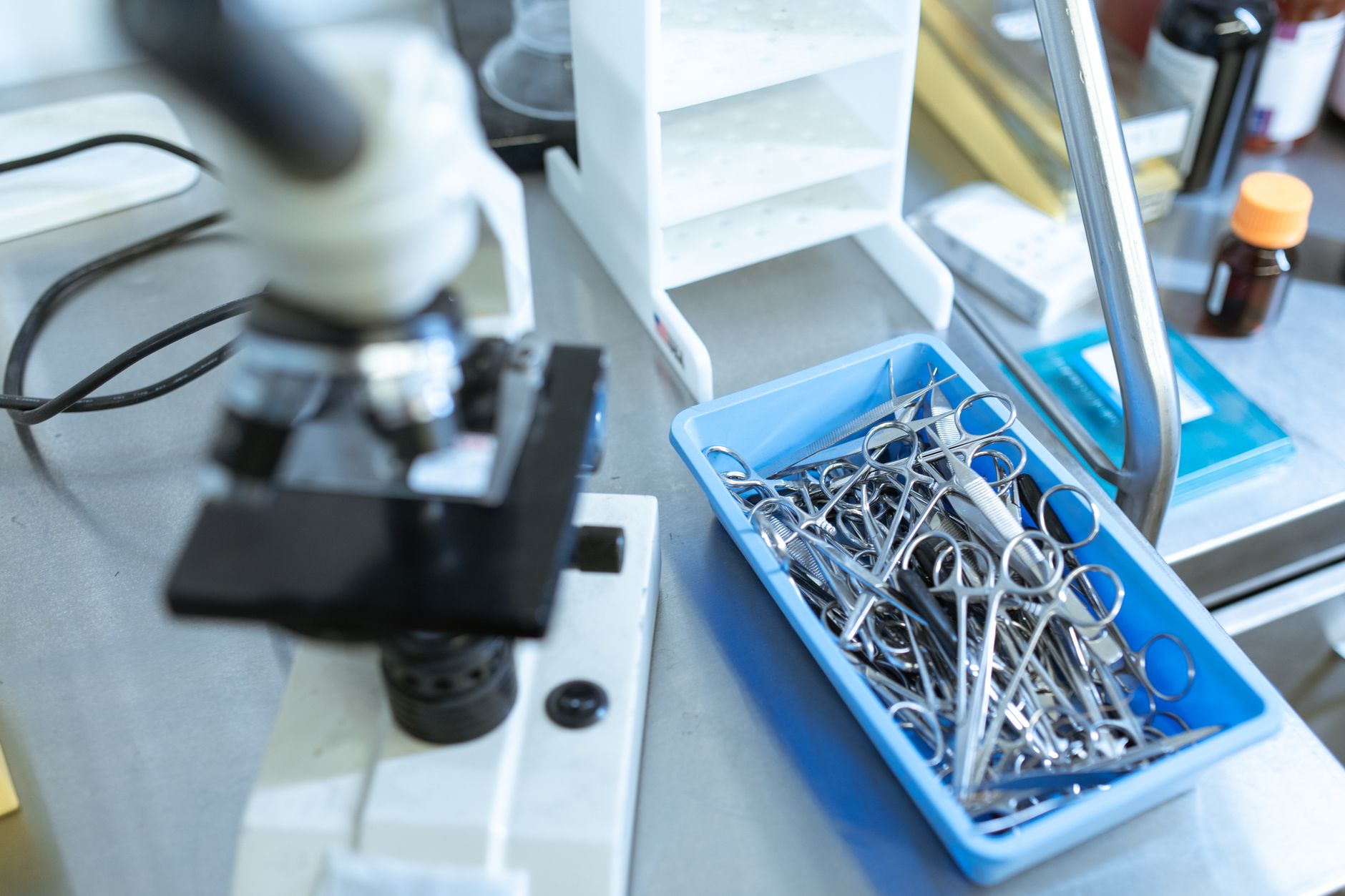
Carnegie Mellon University is pioneering the future of healthcare by integrating AI with biomedical engineering. From 3D-bioprinted organs to non-invasive brain-computer interfaces, students are gaining hands-on experience that bridges the gap between laboratory research and real-world clinical application. #biomedicalengineering #aiinhealthcare #cmu #medtech #bioprinting #futureofmedicine
The intersection of technology and healthcare is no longer a distant frontier; it is a rapidly evolving reality being shaped in the laboratories of world-class institutions. At Carnegie Mellon University (CMU), the Department of Biomedical Engineering (BME) is redefining what it means to be a healthcare innovator. By blending rigorous engineering principles with cutting-edge artificial intelligence, the university is preparing a new generation of professionals capable of solving some of the most complex medical challenges of our time.
Consider the journey of Parth Burujwale, a student in the MS in Artificial Intelligence Engineering (MSAIE) program. His academic path illustrates the seamless transition from theoretical study to high-impact clinical application. One day, he might be working on the intricate process of printing a coronary artery in a campus lab; the next, he is applying AI and machine learning models to real patient data during an internship at the prestigious Mayo Clinic. This duality of experience—combining deep technical research with practical industry exposure—is the hallmark of the CMU experience.
The Rise of AI in Biomedical Engineering
The integration of artificial intelligence into biomedical engineering is perhaps the most significant shift in the field over the last decade. At CMU, the MSAIE program is specifically designed to equip students with the tools to navigate this shift. It isn’t just about learning to code; it’s about understanding the biological context in which these algorithms operate. Students learn to develop intelligent technologies that can diagnose diseases earlier, personalize treatment plans, and even predict patient outcomes with unprecedented accuracy.
For students like Burujwale, the goal is clear: to become AI/ML research engineers who create the next generation of medical diagnostics. The program’s structure allows for deep dives into data analytics and data science, ensuring that graduates can handle the massive datasets generated by modern medical imaging and genomic sequencing. By working alongside faculty members who are leaders in the field, students gain insights into how contextual AI models are being used to identify drug targets at a single-cell resolution.
New Frontiers in Research: Contextual AI
One of the most exciting developments at CMU BME is the addition of faculty like Assistant Professor Michelle Li. Joining from Harvard Medical School, Li’s research focuses on contextual AI models. These models are crucial for diagnosing rare diseases that often baffle traditional diagnostic methods. By analyzing biological data within its specific environmental and genetic context, these AI systems can uncover patterns that were previously invisible to researchers. This level of innovation is a core component of the curriculum, ensuring students are at the absolute leading edge of the industry.
Inside the Bioprinting Revolution
Beyond the digital realm of AI, CMU is a global leader in the physical fabrication of living tissue. The university’s bioprinting labs are home to some of the most advanced biofabrication research in the world. Under the leadership of Professor Adam Feinberg, the lab developed the Freeform Reversible Embedding of Suspended Hydrogels (FRESH) technique. This breakthrough allows scientists to 3D-print soft, living tissue using collagen and other natural proteins—materials that were traditionally too fragile to be printed with precision.
The implications of FRESH technology are staggering. Researchers have already used it to create functional heart valves and even a beating neonatal ventricle. More recently, the focus has shifted toward vascularized pancreatic tissue, which could offer a revolutionary treatment for patients with Type 1 diabetes. For students, this means the opportunity to work with materials that could one day replace human organ transplants.
- Biomaterials: Understanding the scaffolds that support living cells.
- Tissue Engineering: Growing functional organs in a controlled environment.
- Biofabrication: Using 3D printing to assemble complex biological structures.
Mary Bessell, a Ph.D. student in the Feinberg Group, exemplifies the hands-on nature of this research. During her coursework, she reverse-engineered hardware to develop a specialized bioink. Her journey from printing hollow tubes to complex heart valve models demonstrates the rapid progression students can achieve. These projects are not just academic exercises; they are precursors to real-world medical devices. Students often find themselves troubleshooting real-world issues, such as how ambient temperature changes—like a California heat wave—can affect the printability of bio-materials, a lesson in the unpredictability of high-stakes research.
Neurotechnology and Non-Invasive Brain Interfaces
Another pillar of CMU’s BME department is neurotechnology. While many institutions focus on surgically implanted devices, Professor Bin He’s lab is a pioneer in non-invasive brain-computer interfaces (BCIs). His team was the first to demonstrate that an individual could control a robotic arm or even fly a drone using only their thoughts, without the need for invasive brain surgery. This is achieved through advanced sensors that detect neural activity through the scalp, combined with sophisticated signal processing algorithms.
This research has profound implications for patients with paralysis or neurological disorders. By developing safe, accessible alternatives to surgery, CMU is making life-changing technology available to a broader population. Recent studies in the lab have also explored how focused ultrasound can be used to “prime” brain activity. This non-invasive approach could lead to new treatments for chronic pain and epilepsy, moving the medical field away from a heavy reliance on pharmaceuticals and invasive procedures.
Cellular Pharmacies: Medicine from Within
Imagine a system where your body produces its own medicine on demand. This is the vision behind “cellular pharmacies,” a field being advanced by Professor Tzahi Cohen-Karni. His lab builds engineered cell systems that are implanted into the body to manufacture drugs internally. One of the biggest hurdles in this field has been keeping these engineered cells alive, as they often lack a sufficient oxygen supply once implanted.
To solve this, Cohen-Karni’s team co-developed the HOBIT system, which ensures that these cellular factories receive the oxygen they need to survive and function. This type of innovation requires a deep understanding of embedded systems and bio-sensors, illustrating how interconnected various engineering disciplines have become in the modern medical landscape.
Bridging the Gap: From Campus to Career
The ultimate goal of CMU’s Biomedical Engineering program is to prepare students for the rigors of the medical technology industry. The university maintains strong ties with clinical partners like the University of Pittsburgh Medical Center (UPMC) and global leaders like the Mayo Clinic. These partnerships provide students with a platform to apply their engineering principles to real-world healthcare challenges long before they graduate.
Hima Ravindra, an alumna of the program, credits this mix of technical training and clinical exposure for her seamless transition into the industry. During her time at CMU, she served as a student ambassador and a teaching assistant, roles that helped her develop the leadership skills necessary for a career in corporate engineering. Today, she works for a major medical technology company, contributing to the development of devices that are used in hospitals worldwide.
Similarly, Erica Comber, another CMU graduate, now works at United Therapeutics on one of the world’s first bioprinted lungs. The breadth of her education—covering everything from cardiovascular mechanics to stem cell engineering—gave her the foundation needed to work at the absolute cutting edge of the biotech industry. Her success is a testament to the program’s ability to turn students into industry-ready engineers.
The Future of Healthcare Engineering
As we look toward the future, the role of the biomedical engineer will only become more central to the healthcare system. The ability to harness AI, 3D bioprinting, and neurotechnology will define the next era of medicine. Carnegie Mellon University continues to stand at the center of this evolution, providing the resources, faculty, and industry connections necessary to turn ambitious students into world-changing innovators.
Whether it is developing a non-invasive way to treat chronic pain or engineering a bio-printed liver to treat acute failure, the work being done at CMU is saving lives. For those looking to make a tangible impact on the world, the path through CMU’s Department of Biomedical Engineering offers a unique blend of challenge and opportunity. By fostering a community where engineers, clinicians, and data scientists collaborate, the university ensures that the next breakthrough is always just around the corner.
The journey from the classroom to the clinic is a short one at CMU, where the focus remains steadfast on creating technologies that are not only innovative but also accessible and effective for patients everywhere. As these technologies continue to mature, the students trained today will be the leaders who define the healthcare landscape of tomorrow.
#biomedicalengineering #aiinhealthcare #cmu #medtech #bioprinting #futureofmedicine


 Your IP Address : 216.73.216.147