
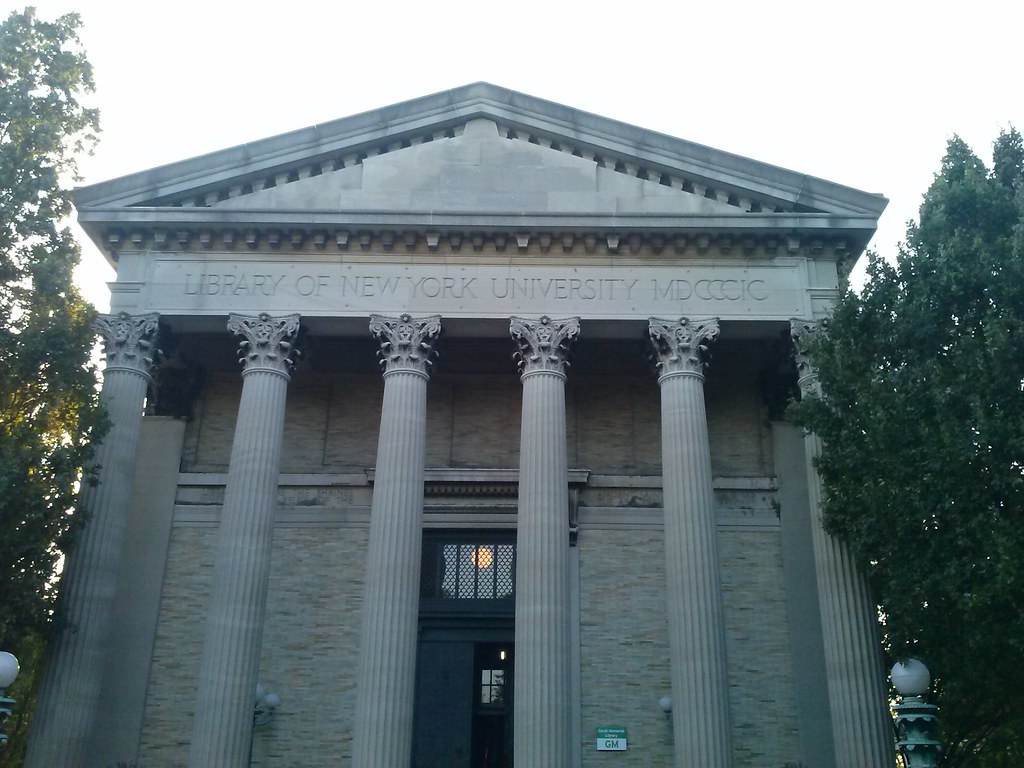
The landscape of higher education in the United States has long been a battlefield for complex legal and social debates, particularly regarding who qualifies for state-funded benefits. Recently, this tension reached a new peak as the Department of Justice (DOJ) initiated a lawsuit against the University of Delaware. The core of the legal challenge centers on the university’s policy regarding in-state tuition for noncitizen students. This move by the federal government signals a significant shift in how educational institutions must navigate the intersection of state residency requirements and federal immigration law.
At the heart of the controversy is the distinction between ‘in-state’ and ‘out-of-state’ tuition rates. For many students, this distinction represents a difference of tens of thousands of dollars per year. The University of Delaware, like many other public and land-grant institutions, has historically sought to balance its commitment to providing accessible education with the strictures of state and federal regulations. However, the DOJ alleges that the current application of these policies may overstep legal boundaries, specifically concerning the eligibility of noncitizens who may not have traditional residency documentation.
The Genesis of the Legal Dispute
The lawsuit did not emerge in a vacuum. It follows a period of increasing scrutiny regarding how public universities utilize taxpayer-funded resources. The Department of Justice’s Civil Rights Division often monitors institutional policies to ensure they do not violate federal statutes that prohibit discrimination or the unauthorized granting of public benefits. In the case of the University of Delaware, the focus is on whether the institution is providing a benefit—subsidized tuition—to individuals who, under federal law, might be restricted from receiving such state-level advantages.
The University of Delaware (UD) has maintained that its policies are designed to support the local community and ensure that all residents of the state, regardless of their immigration status, have a pathway to higher education. This ‘access-first’ philosophy is common among universities that view education as a public good and an economic driver for the region. By educating all residents, the university argues it is preparing a more robust workforce that will ultimately contribute back to the Delaware economy through taxes and professional services.
The Role of Federal vs. State Authority
One of the primary legal hurdles in this case involves the 1996 Illegal Immigration Reform and Immigrant Responsibility Act (IIRIRA). Specifically, Section 505 of this act restricts states from providing postsecondary education benefits to undocumented immigrants based on residence unless a citizen or national of the United States is entitled to the same benefit without regard to residence. This federal statute has been a point of contention for decades, as states like California, Texas, and New York have passed their own ‘Dream Act’ style laws to allow in-state tuition for noncitizen residents.
The DOJ’s lawsuit against the University of Delaware likely hinges on how the university interprets ‘residency.’ If the university allows a noncitizen to pay in-state rates while requiring an out-of-state U.S. citizen to pay the full freight, the DOJ argues this creates a disparity that violates the spirit, if not the letter, of federal law. The university, conversely, must defend its right to define its own student body and residency criteria as a state-affiliated entity.
The Financial Implications for Students and Institutions
For the average student, the outcome of this lawsuit is more than just a legal footnote; it is a matter of financial survival. The cost of higher education has outpaced inflation for years, making in-state tuition the only viable path for many families. When universities are forced to reclassify students from in-state to out-of-state, many are forced to drop out or take on predatory levels of debt. This is particularly true for noncitizen students who often lack access to federal financial aid, such as Pell Grants or federal student loans.
Beyond the individual level, the University of Delaware faces significant administrative and financial risks. A loss in court could force the university to repay funds or overhaul its entire admissions and billing infrastructure. Furthermore, it could lead to a chilling effect, where other universities preemptively change their policies to avoid DOJ scrutiny, potentially disenfranchising thousands of students nationwide.
Preparing for the Professional World Amidst Legal Uncertainty
While the legal battle unfolds in the courtrooms, students are still focused on their primary goal: building a career. Regardless of their tuition status, students at the University of Delaware and similar institutions are increasingly looking toward experiential learning to bridge the gap between academia and the workforce. Engaging in high-quality student internship programs is one of the most effective ways for students to secure their future, regardless of the shifting legal landscape surrounding their residency status.
In fact, the demand for specialized skills in fields like technology and security remains at an all-time high. For instance, students pursuing careers in cybersecurity and legal compliance are finding that their skills are essential for helping organizations—including universities—navigate the very types of regulatory and legal challenges presented by the DOJ. These internships provide the practical experience necessary to understand how federal mandates affect institutional policy in real-time.
The Broader Impact on University Diversity and Inclusion
The University of Delaware has long prided itself on fostering a diverse and inclusive campus environment. Diversity is not just a buzzword for modern institutions; it is a pedagogical necessity. Exposure to different cultures, backgrounds, and legal statuses enriches the classroom experience and prepares students for a globalized economy. If the DOJ’s lawsuit results in a more restrictive tuition policy, critics argue it will lead to a less diverse campus, as many talented noncitizen students will be priced out of the university.
Moreover, this case could influence how universities handle other types of noncitizen support, such as research fellowships and grants. If the definition of ‘state benefit’ is expanded through this litigation, it could impact everything from campus housing subsidies to student health insurance plans. The ripple effects would be felt across the entire administrative spectrum of the university.
Comparison with National Precedents
The University of Delaware is not the first institution to face such challenges. In states like Georgia and Arizona, similar battles have been fought over the years. In some instances, state courts have upheld the right of the university to set its own policies, while in others, legislative action has specifically banned noncitizens from receiving in-state rates. The involvement of the Department of Justice at the federal level, however, elevates the stakes. It suggests that the executive branch is taking a more active role in enforcing federal immigration statutes within the sphere of state education.
Legal experts are closely watching this case to see if it will eventually reach the Supreme Court. A definitive ruling could provide much-needed clarity for the hundreds of public universities that currently operate in a ‘grey area’ of the law. Until then, institutions are left to navigate a patchwork of state laws and federal threats.
The Economic Argument for Inclusive Tuition Policies
From an economic perspective, many advocates for the University of Delaware argue that providing in-state tuition to all residents is a sound investment. Students who graduate from UD are likely to stay in the region, filling critical roles in healthcare, technology, and education. By making education affordable for noncitizen residents, the state ensures that it is not wasting the potential of its young population. According to the Department of Justice, the enforcement of federal laws is paramount, but state economic advisors often point out that the long-term tax revenue generated by college-educated residents far outweighs the short-term ‘cost’ of tuition subsidies.
Furthermore, many of these students have lived in Delaware for the majority of their lives, attended local high schools, and their families contribute to the state’s tax base. Penalizing them with out-of-state rates is seen by many as a form of double taxation or an unfair barrier to upward mobility.
Technological Solutions to Compliance Challenges
As universities struggle to comply with complex and often contradictory laws, many are turning to advanced data management and AI solutions. Managing student records, residency affidavits, and financial aid eligibility requires a high degree of precision. This is where the intersection of data science and administration becomes critical. Students interested in these fields can explore a data analytics and data science internship to learn how large organizations use data to ensure compliance with federal regulations while still meeting their institutional goals.
By leveraging technology, universities can better track the impact of their policies and provide the Department of Justice with the necessary data to prove that their programs are non-discriminatory and legally sound. The ability to process and interpret vast amounts of legal and demographic data is becoming a cornerstone of modern university administration.
The Path Forward: What Lies Ahead for UD?
As the lawsuit progresses, the University of Delaware will likely seek a settlement or a summary judgment that allows it to maintain its current policy in some form. The university’s legal team will argue that as a ‘privately governed, state-assisted’ institution, it has a unique legal status that provides more autonomy than a standard state agency. This distinction has protected UD in the past and could be the key to its defense in this instance.
In the meantime, the university has expressed its commitment to its students. In official statements, leadership has reiterated that they value every member of their community and will continue to advocate for policies that promote educational equity. For students currently enrolled under the in-state policy, the university has signaled that it will do everything possible to minimize disruptions to their education.
The outcome of this case will serve as a bellwether for the future of higher education policy in America. It sits at the crossroads of some of the most contentious issues of our time: immigration, state rights, and the cost of education. Whether the court sides with the DOJ’s strict interpretation of federal law or the university’s broader mission of inclusion, the decision will resonate far beyond the borders of Delaware.
Ultimately, the resolution of this legal challenge will require a careful balancing act. It must respect the authority of federal law while acknowledging the practical realities of state-funded education in a diverse society. As we wait for the courts to weigh in, the conversation remains focused on the fundamental question: who deserves a seat at the table of higher education, and at what cost?
#highereducation #doj #universityofdelaware #tuitionpolicy #educationlaw #studentrights


 Views Today : 522
 Views Yesterday : 280
 Your IP Address : 216.73.216.44