
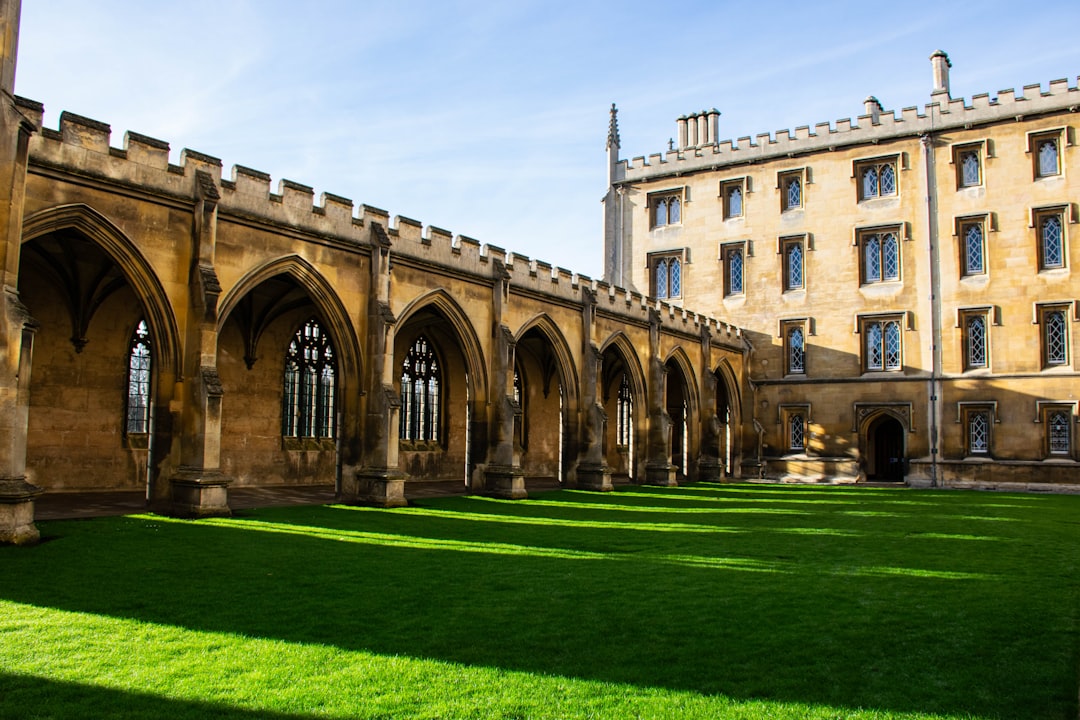
The University of Cambridge remains one of the world’s most prestigious centers of academic excellence, and within its collegiate system, Jesus College stands as a beacon for high-level research and intellectual growth. The announcement of the Jesus College Cambridge Arts Research Fellowship for 2026 marks a significant opportunity for early-career scholars to embed themselves in an environment that has fostered some of the most influential thinkers in history. These fellowships are not merely jobs; they are platforms for transformative research that can shape the future of the humanities and social sciences.
For those pursuing a career in academia, the transition from a doctoral candidate to an independent researcher is perhaps the most critical phase. The Jesus College fellowships are designed specifically to bridge this gap, offering a three-year window of financial stability, academic resources, and a vibrant community. This period allows researchers to refine their doctoral work, embark on new projects, and establish a publication record that will serve as the foundation for a lifelong academic career.
The Scope of the 2026 Arts Research Fellowships
The 2026 intake for the Arts Research Fellowships at Jesus College is particularly focused on a diverse range of disciplines. The college has invited applications from scholars specializing in Anglo-Saxon, Norse and Celtic (ASNC), Education Studies, English, Law, Modern Languages, and Theology. This broad spectrum reflects the college’s commitment to interdisciplinary dialogue and the preservation of critical cultural and legal studies.
Anglo-Saxon, Norse and Celtic (ASNC)
The ASNC department at Cambridge is unique globally, focusing on the history, languages, and literatures of the different peoples of the British Isles and Scandinavia during the early Middle Ages. A research fellow in this field at Jesus College has the rare opportunity to work with primary manuscripts and archaeological data that are central to understanding the foundations of Northern European culture. The fellowship provides the time necessary for the deep linguistic and historical analysis that this field demands.
Education Studies and Modern Pedagogy
In an era where the methods of learning are being radically redefined by technology, research in Education Studies is more vital than ever. Scholars in this field at Jesus College might explore everything from the philosophy of education to the practical application of new teaching methodologies. Interestingly, the intersection of traditional education and modern technology is creating new avenues for research. For instance, scholars are increasingly looking at how data analytics and data science can be used to track student progress and optimize learning outcomes in diverse environments.
Law and Legal Theory
The legal fellowships at Jesus College often attract scholars who are looking at the intersection of law and society. Whether it is international law, constitutional theory, or the legal implications of emerging technologies, the fellowship offers a space to critique and develop the frameworks that govern our world. In a globalized society, the research conducted here often informs policy decisions and international standards.
Life within the Jesus College Community
One of the most distinctive aspects of a Cambridge fellowship is the collegiate experience. Jesus College, founded in 1496 on the site of a 12th-century Benedictine nunnery, offers an atmosphere that blends medieval tradition with cutting-edge modernity. Fellowships at Jesus College include more than just a stipend; they offer a sense of belonging to a scholarly society.
Research Fellows are members of the High Table, which means they regularly dine with other Fellows, including senior professors and visiting scholars from around the world. These informal interactions are often where the most exciting interdisciplinary ideas are born. A legal scholar might find themselves discussing ethics with a theologian, or an English literature researcher might gain new perspectives on narrative structure from a specialist in Modern Languages.
- Academic Autonomy: Fellows are encouraged to pursue their own research agendas without the heavy burden of administrative or teaching duties often found in entry-level faculty positions.
- Resource Access: Access to the University of Cambridge’s extensive library system, including the legal deposit library, is a peerless advantage.
- Professional Development: The college provides support for attending international conferences and publishing research in high-impact journals.
- Housing and Facilities: Many fellowships include options for college housing, allowing researchers to live in the heart of the historic city.
- Mentorship: Junior Research Fellows often receive informal mentorship from senior members of the college who are leaders in their respective fields.
The Role of Digital Humanities in Modern Research
While the fellowships are rooted in the “Arts,” the modern researcher cannot ignore the influence of the digital revolution. Many scholars in English and Modern Languages are now utilizing computational tools to analyze vast corpora of text. This field, known as Digital Humanities, relies heavily on the same principles found in modern software development. Understanding the logic behind AI and machine learning is becoming increasingly relevant for researchers who wish to use algorithm-driven analysis to uncover patterns in literature or historical records that were previously invisible to the human eye.
For example, a researcher in Modern Languages might use natural language processing (NLP) to study the evolution of dialect across centuries, while a scholar in Theology might use digital mapping to visualize the spread of religious movements. The integration of these technical skills into the arts is a trend that Jesus College actively supports, recognizing that the scholars of tomorrow must be as comfortable with a database as they are with a dusty archive.
Application Process and Strategic Planning
Securing a Research Fellowship at Jesus College is an intensely competitive process. The deadline for the 2026 fellowship is September 30, 2026, with the successful candidates beginning their tenure on October 1, 2027. This long lead time is characteristic of the Oxbridge system, allowing for a rigorous multi-stage selection process that often includes peer review of written work and formal interviews.
Prospective applicants should focus on the “originality” and “feasibility” of their research proposal. The selection committee is looking for projects that not only contribute to their specific field but also have the potential to reach a wider audience. It is essential to demonstrate why Jesus College, specifically, is the right place for this work. Is there a particular archive nearby? Does a senior Fellow at the college share a research interest? Highlighting these connections can make an application stand out.
Preparing the Research Statement
The research statement is the heart of the application. It must clearly articulate the problem the researcher intends to solve, the methodology they will use, and the expected impact of their findings. It should be written in a way that is accessible to an educated non-specialist, as the selection committee will include Fellows from various disciplines. Avoiding overly dense jargon while maintaining academic rigor is a delicate but necessary balance.
The Importance of References
In the world of high-level academic fellowships, letters of recommendation carry significant weight. Applicants should seek references from mentors who can speak not only to their past achievements but also to their potential as an independent thinker. Ideally, these referees should be recognized figures in their field who can provide a nuanced assessment of the applicant’s contributions to scholarship.
The Wider Impact of Humanities Research
There is a recurring debate about the utility of the arts and humanities in a world increasingly dominated by STEM. However, the Jesus College Arts Research Fellowships remind us that the humanities provide the ethical and cultural framework within which science and technology operate. Law defines the rules of the digital age; Theology and Philosophy explore the ethics of human existence; and Modern Languages and English Literature allow us to communicate and empathize across cultures.
By investing in these fellowships, Jesus College ensures that the human element of our global society is scrutinized, understood, and celebrated. The research produced during these three-year terms often goes on to influence public discourse, inform government policy, and enrich the cultural fabric of society. For more information on the application requirements and the college’s history, interested scholars can visit the official Jesus College Cambridge website or explore the broader University of Cambridge Research initiatives.
The 2026 fellowships represent a rare moment of opportunity. For the two individuals selected, the next three years will be a time of intense intellectual exploration, professional growth, and the chance to contribute to a legacy of scholarship that spans centuries. As the academic landscape continues to evolve, the value of dedicated time and space for deep, contemplative research remains the greatest asset a scholar can possess. The journey of a Research Fellow at Jesus College is one of discovery, not just of their subject, but of their own voice within the global academic conversation.
#cambridgeuniversity #researchfellowship #academiccareers #humanitiesresearch #jesuscollege #highereducation


 Users Today : 37
 Users Yesterday : 116
 Who's Online : 1
 Your IP Address : 216.73.216.54