
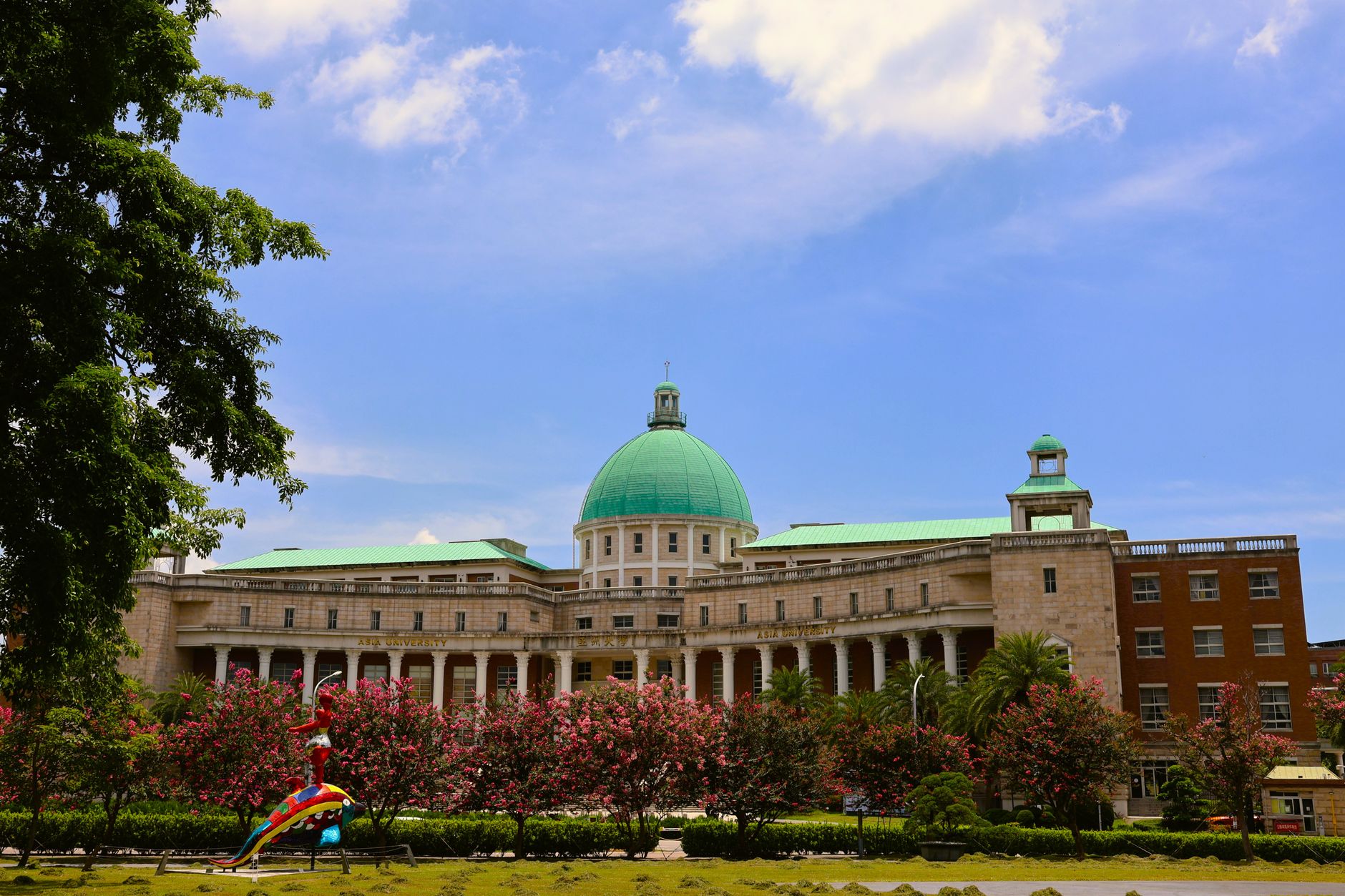
The landscape of higher education in Louisiana is currently at a critical crossroads, marked by a stark contrast between academic ambition and the physical reality of its aging campuses. For years, the state’s public colleges and universities have served as beacons of learning, culture, and economic development. However, beneath the surface of these historic institutions lies a mounting crisis: a deferred maintenance backlog that has now reached a staggering $4 billion. This figure represents more than just a list of repairs; it is a significant barrier to the modernization of the state’s educational infrastructure and its ability to compete on a national stage.
To address this urgent need, the Louisiana Board of Regents has unveiled a strategic roadmap aimed at revitalizing campus facilities. The board plans to request over $700 million in state funding for fiscal year 2028, targeting more than 70 high-priority capital projects across the state. This ambitious proposal is not merely about fixing leaky roofs or outdated HVAC systems; it is a fundamental reinvestment in the future of Louisiana’s workforce, innovation hubs, and the overall student experience.
The Rising Cost of Deferred Maintenance
Deferred maintenance is a term that often remains hidden in the fine print of budget reports, yet its impact is felt daily by students and faculty. It refers to the practice of postponing building repairs and system upgrades due to a lack of immediate funding. In Louisiana, decades of budget constraints and shifting fiscal priorities have allowed these costs to snowball. What might have been a simple roof patch ten years ago has evolved into a full-scale structural renovation requirement today.
The $4 billion backlog spans a diverse array of needs, from foundational safety upgrades to the overhaul of specialized laboratory spaces. In many cases, the systems currently in place are well beyond their intended lifecycles. This leads to higher operational costs, as maintenance teams struggle to keep obsolete machinery running, often at a much lower efficiency than modern alternatives would provide. For a state that frequently faces extreme weather and high humidity, the degradation of building envelopes and climate control systems also presents a risk to the preservation of research materials and library archives.
Impact on the Student Experience and Learning Outcomes
The physical environment of a university plays a pivotal role in student success. Modern learners expect facilities that reflect the fast-paced, technology-driven world they are preparing to enter. When classrooms are dim, laboratories lack modern ventilation, or dormitories suffer from persistent utility failures, the academic environment is compromised. This can lead to a decline in student morale and, more importantly, can influence where prospective students choose to enroll.
In an era where remote and hybrid learning options are becoming more prevalent, the physical campus must offer a value proposition that justifies the cost of attendance. This includes state-of-the-art collaborative spaces, high-speed digital infrastructure, and specialized facilities for hands-on learning. For example, students pursuing a AI & Machine Learning internship or technical research require high-capacity electrical grids and climate-controlled server rooms that many older campus buildings simply cannot support.
The Competitive Edge in Higher Education
Louisiana’s universities are in constant competition with institutions in neighboring states like Texas and Mississippi. When students and their families tour a campus, they are looking for evidence of investment. A campus that looks neglected sends a message of stagnation. By addressing the maintenance backlog, Louisiana aims to reclaim its status as a top-tier destination for both in-state and out-of-state talent. Revitalizing these campuses is essential for retaining the “brightest minds” who might otherwise seek education elsewhere.
A Deep Dive into the $700 Million Funding Request
The Louisiana Board of Regents’ decision to request $700 million for fiscal 2028 is a calculated move to prioritize the most pressing needs. The plan identifies over 70 specific capital projects, ranging from major renovations of historic academic halls to the construction of new, multi-purpose facilities. The strategy involves a tiered approach, focusing on life-safety issues, core academic infrastructure, and projects that align with the state’s economic development goals.
- Safety and Compliance: A significant portion of the funds will likely be dedicated to ensuring all buildings meet current fire codes, ADA accessibility standards, and environmental safety regulations.
- Academic Modernization: Many of the targeted projects involve transforming traditional lecture halls into flexible learning environments that facilitate active learning and digital integration.
- STEM and Research Facilities: To support the growth of industries like healthcare and energy, there is a dire need for updated laboratories. Students looking for a Data Analytics & Data Science internship need access to modern data centers that are integrated into the campus architecture.
- Utility Infrastructure: Upgrading central plants and underground utilities is a high-cost but essential component of the plan, as these systems provide the backbone for all other campus operations.
- IT and Connectivity: In the digital age, a university is only as strong as its network. Funding will support the expansion of fiber-optic backbones and robust Wi-Fi across campus grounds.
Technology and the Modern Campus
Modernizing a university isn’t just about brick and mortar; it’s about creating a technological ecosystem. As education shifts toward more technical disciplines, the demand for specialized spaces increases. For instance, those interested in a Cyber Security & Ethical Hacking internship require secure, isolated networks and “sandboxed” environments to practice their skills without compromising the university’s main network.
The Board of Regents’ plan recognizes that the “campus of the future” must be a hub for innovation. This means integrating smart building technologies that monitor energy usage in real-time, reducing the long-term carbon footprint and operational costs of the institutions. By investing in these technologies now, the state can save millions in utility costs over the coming decades, effectively allowing the new infrastructure to pay for itself over time.
The Economic Ripple Effect
The benefits of this $700 million investment extend far beyond the campus perimeter. Construction projects of this scale create thousands of jobs for local contractors, architects, engineers, and tradespeople. It stimulates the local economy in every parish where a public college is located. Furthermore, a well-maintained university system is a magnet for industry partnerships. Companies are more likely to collaborate with universities that have modern facilities, leading to more internships, research grants, and job placements for graduates.
When the state invests in its colleges, it is signaling to the business community that Louisiana is serious about building a high-tech workforce. This is particularly relevant for emerging fields such as renewable energy and advanced manufacturing, which require a workforce trained in modern, well-equipped labs. You can learn more about the board’s official initiatives through the Louisiana Board of Regents official website.
Sustainability and Climate Resilience
Given Louisiana’s unique geographic challenges, any conversation about infrastructure must include resilience. The Board of Regents is looking to implement sustainable building practices that can withstand the increasing frequency of severe weather events. This includes better drainage systems, hurricane-rated roofing, and elevated electrical equipment. Investing in resilience now prevents the $4 billion backlog from growing even further due to disaster-related damages in the future.
The Path Forward: Legislative Support and Public Advocacy
The road to securing $700 million in funding is not without its hurdles. It will require strong advocacy from university leaders, alumni, and the business community to convince the state legislature of the long-term value of this expenditure. The Board of Regents’ proposal for 2028 is a long-term play, recognizing that the maintenance crisis cannot be solved in a single budget cycle.
Public support is crucial. When citizens understand that the quality of their state’s universities directly impacts the value of their degrees and the health of the state economy, the political will to fund these projects increases. The focus is now on demonstrating the return on investment (ROI) that these capital projects will yield for the state of Louisiana as a whole.
As the 2028 fiscal year approaches, the focus remains on prioritizing the 70+ projects that will have the most immediate and profound impact. While $700 million is a substantial sum, it is only the first major step in chipping away at the $4 billion mountain. By starting now, Louisiana is taking a proactive stance to ensure its public institutions remain vibrant centers of excellence for generations to come. The message is clear: the cost of inaction is far higher than the cost of investment.
#highereducation #louisiana #campuslife #infrastructure #universityfunding #educationtrends


 Views Today : 149
 Views Yesterday : 410
 Your IP Address : 57.141.20.53