
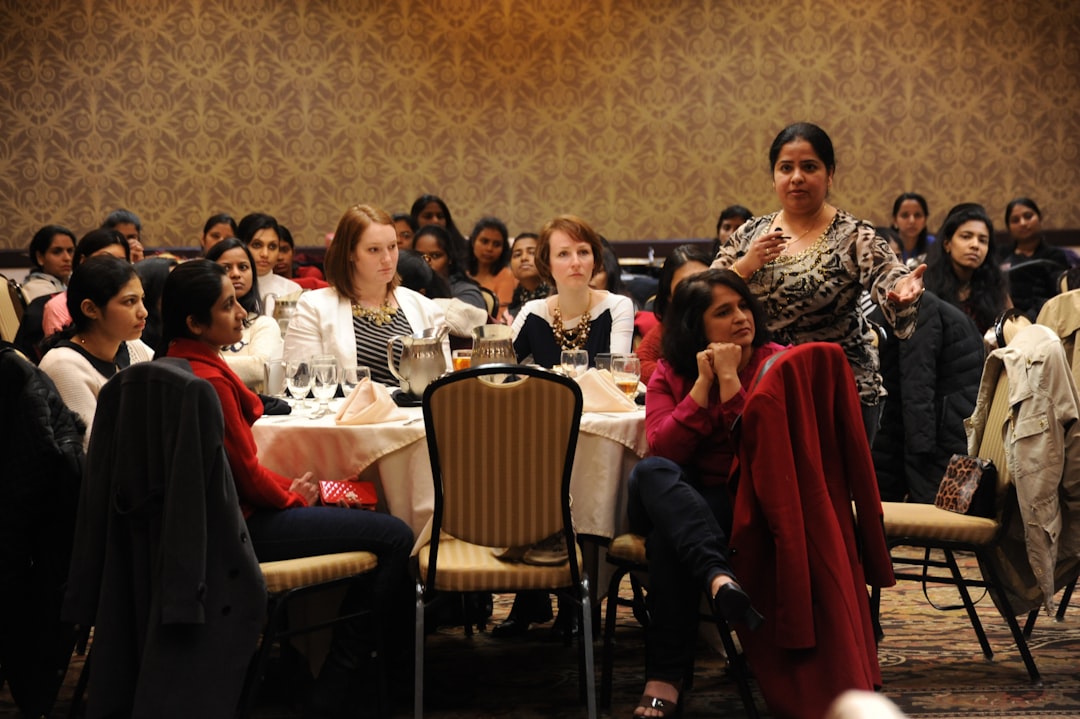
The Yale Peace Fellowship 2027 offers emerging peace leaders a fully funded hybrid learning experience across virtual sessions, Yale University, and Rose Castle in the UK, with training in leadership, negotiation, reconciliation, and global peacebuilding practice. #yalepeacefellowship #fullyfunded #peacebuilding #leadership #scholarships #globalopportunities
For emerging leaders working in conflict resolution, reconciliation, diplomacy, civic action, or community peacebuilding, the Yale Peace Fellowship 2027 is one of the most meaningful international opportunities to consider. Designed for people who are already contributing to peace and social harmony, the fellowship brings together a small cohort of global changemakers for an intensive hybrid program hosted through Yale University and Rose Castle in the United Kingdom.
The fellowship is fully funded, which makes it especially valuable for applicants from diverse regions and professional backgrounds. Selected fellows receive support for major program-related expenses, including travel, accommodation, meals, and participation in required in-person components. More importantly, they gain access to a global network of peace practitioners, international experts, and peers who are facing similar challenges in different cultural and political contexts.
Unlike many short-term leadership programs that focus only on theory, this fellowship is structured around real-world peace practice. It combines online learning, in-person seminars, negotiation training, leadership reflection, and cross-cultural dialogue. For participants working in areas affected by conflict, polarization, inequality, or social division, the experience can provide both practical tools and renewed strategic direction.
What Is the Yale Peace Fellowship 2027?
The Yale Peace Fellowship 2027 is an international fellowship program for emerging peace leaders committed to conflict resolution, reconciliation, and cross-cultural understanding. The program is offered by the International Leadership Centre at Yale University and includes both virtual and in-person learning experiences.
Only 14 fellows are expected to be selected, making the fellowship highly competitive and intentionally intimate. This small cohort model allows participants to build deep relationships, exchange ideas honestly, and receive focused learning from experts and facilitators.
The program runs from March to June 2027 and follows a hybrid format. Fellows begin with biweekly virtual sessions before attending a week-long seminar at Yale University in the United States. Later, the cohort gathers again at Rose Castle in the United Kingdom for a closing convening focused on reflection, community, and ongoing collaboration.
At its core, the fellowship is designed for people who are not only interested in peace as an abstract ideal but are actively engaged in building it through their work, advocacy, research, public service, or grassroots leadership.
Key Program Details at a Glance
- Host countries: United States and United Kingdom
- Host institutions: Yale University and Rose Castle
- Program type: Fully funded international fellowship
- Program duration: March to June 2027
- Format: Hybrid, including virtual sessions and in-person convenings
- In-person seminar at Yale University: April 12 to 16, 2027
- Closing convening at Rose Castle: June 14 to 18, 2027
- Expected cohort size: 14 fellows
- Application deadline: September 9, 2026
The fellowship timeline gives participants enough time to engage thoughtfully while continuing their professional responsibilities. The virtual sessions help build the learning foundation, while the in-person components create space for deeper dialogue, trust-building, and practical exercises.
Why This Fellowship Matters for Peace Leaders
Peacebuilding today is more complex than ever. Conflicts are no longer limited to formal battlefields or diplomatic negotiations. Many societies are dealing with misinformation, identity-based tension, political polarization, economic exclusion, displacement, environmental stress, and fractured public trust.
In this environment, peace leaders need more than goodwill. They need skills in negotiation, listening, analysis, communication, coalition-building, mediation, and ethical leadership. They also need the humility to learn across cultures and the resilience to keep working when progress feels slow.
The Yale Peace Fellowship responds to this need by offering a structured environment where fellows can sharpen their leadership abilities while learning from others who are working in different contexts. A participant from a civil society organization, for example, may learn from someone working in diplomacy. A community mediator may exchange insights with a scholar, organizer, or public policy practitioner.
This cross-sector learning is one of the strongest features of international fellowship programs. It helps participants step outside their own assumptions and see peacebuilding as a shared global challenge rather than a single local project.
Program Format: Virtual Learning, Yale Seminar, and UK Convening
Biweekly virtual sessions from March to June
The fellowship begins with online sessions held every two weeks from March to June 2027. These sessions are likely to introduce core themes such as leadership, negotiation, conflict transformation, dialogue, reconciliation, and community engagement.
Virtual learning also helps fellows get to know each other before meeting in person. This matters in peacebuilding programs because trust and openness are essential. By the time participants arrive at Yale, they are not complete strangers; they have already begun forming a learning community.
Week-long in-person seminar at Yale University
From April 12 to 16, 2027, fellows are invited to Yale University for an intensive in-person seminar. Yale’s academic environment offers a powerful setting for leadership development, reflection, and dialogue. Participants can expect to engage with experts, facilitators, and peers through discussions, workshops, and applied learning activities.
Yale University is globally recognized for its academic excellence and public leadership traditions. Readers who want to learn more about the institution can visit the official Yale University website.
For many fellows, the Yale seminar may become a turning point. It offers time away from daily responsibilities to think more strategically about their work, evaluate difficult challenges, and gain tools that can be applied in their communities, organizations, or institutions.
Closing convening at Rose Castle in the United Kingdom
The final in-person component takes place from June 14 to 18, 2027, at Rose Castle in the UK. Rose Castle is known as a place associated with reconciliation, dialogue, and peace-focused leadership. Its setting can help fellows move from technical learning into deeper reflection about relationships, courage, and long-term commitment.
Participants interested in the venue and its peacebuilding mission can explore the official Rose Castle Foundation website.
The closing convening gives fellows a chance to consolidate their learning, strengthen cohort relationships, and think about how the fellowship network can continue beyond the formal program dates.
What the Fully Funded Benefits Cover
One of the most attractive aspects of the Yale Peace Fellowship 2027 is its fully funded structure. For selected fellows, the program covers travel, accommodation, meals, and other program-related costs for the required in-person components.
This financial support is important because international leadership opportunities can otherwise be inaccessible to highly qualified applicants from under-resourced backgrounds. By covering essential expenses, the fellowship allows selection to focus more on leadership potential, peacebuilding experience, and commitment rather than personal financial capacity.
The main benefits include:
- Covered travel expenses for required in-person program components
- Accommodation during the Yale University seminar and Rose Castle convening
- Meals connected to the in-person program schedule
- Training in leadership, negotiation, and peacebuilding practice
- Learning from international experts and experienced facilitators
- Membership in a global network of peace leaders
- Opportunities to collaborate with fellows from diverse countries and sectors
While financial coverage is a major benefit, the long-term value of the fellowship is often found in the relationships and skills participants carry forward. A strong professional network can lead to future partnerships, shared advocacy, research collaborations, and community-level initiatives.
Who Should Consider Applying?
The Yale Peace Fellowship is designed for individuals who have demonstrated experience in peacekeeping, reconciliation, conflict resolution, or related fields. Applicants may come from politics, diplomacy, civil society, social organizations, academia, religious or interfaith work, humanitarian action, public policy, community organizing, or advocacy.
This broad eligibility reflects an important reality: peacebuilding is not limited to one profession. A young diplomat negotiating regional cooperation, a local activist building intergroup trust, a journalist countering hate narratives, and a nonprofit leader supporting displaced communities may all contribute to peace in different ways.
Strong candidates will likely show evidence of:
- Practical involvement in peacebuilding, reconciliation, or conflict transformation
- Leadership in a community, organization, institution, or movement
- Commitment to cross-cultural understanding and respectful dialogue
- Ability to communicate clearly in English
- Readiness to participate fully in all virtual and in-person program components
- Potential to apply fellowship learning in meaningful future work
The fellowship welcomes applicants from all countries, making it a truly global opportunity. However, because only a small number of fellows will be selected, applicants should prepare a thoughtful and evidence-based application.
Eligibility Criteria for Yale Peace Fellowship 2027
Applicants must meet several core eligibility requirements. These criteria help ensure that selected participants can contribute meaningfully to the cohort and benefit from the program’s advanced leadership environment.
- Applicants from all countries are eligible to apply.
- Applicants should have experience in peacekeeping, reconciliation, conflict resolution, or peacebuilding-related work.
- Applicants must demonstrate strong leadership skills.
- Applicants should show dedication to cross-cultural understanding.
- Applicants must be fluent in English.
- Selected fellows must be available to participate fully in all three program components, including virtual sessions and in-person events in the USA and UK.
Availability is especially important. A fellowship of this nature depends on full participation. Missing sessions can affect not only an individual’s learning but also the trust and continuity of the cohort experience.
Documents Required for the Application
Applicants should prepare their materials carefully before starting the online form. A rushed application can weaken even a strong profile, especially when the selection committee is reviewing candidates from around the world.
The required documents include:
- Resume or CV: A clear summary of education, work experience, leadership roles, publications, projects, awards, and peacebuilding activities.
- Brief video statement: A recorded statement submitted through the application system, not through an external link.
- Personal statement: A written response to the given prompt, explaining motivation, experience, and future goals.
- One letter of recommendation: A strong endorsement from someone who can speak about the applicant’s leadership, character, and peacebuilding work.
- Valid passport: Required for international travel if selected.
Applicants should ensure that their passport is valid for the expected travel period. If a passport is close to expiration, it may be wise to renew it early to avoid complications later.
How to Apply for the Yale Peace Fellowship 2027
The application process is completed online. While each step is straightforward, applicants should leave enough time to write, revise, record, and review their materials before submission.
- Create an account using an email address and password.
- Enter the PIN sent to the registered email address.
- Begin the online application form and provide personal and professional information.
- Upload the required documents and materials.
- Select the appropriate English proficiency level.
- Upload the personal statement according to the provided prompt.
- Add the recommender’s details for the recommendation letter.
- Record the video statement directly through the application form.
- Read the terms and conditions carefully.
- Type the full name in the signature field.
- Review all information for accuracy.
- Click confirm to submit the application.
Applicants should avoid waiting until the final day. Technical issues, delayed recommendations, or last-minute editing problems can create unnecessary stress. Submitting early also gives applicants peace of mind.
How to Strengthen Your Fellowship Application
A competitive fellowship application does more than list achievements. It tells a clear story about who the applicant is, what they have done, why the work matters, and how the fellowship will help them create greater impact.
Show real experience, not only interest
Peacebuilding is a practical field. Selection committees will want to see evidence of action. This may include mediation work, community dialogue projects, reconciliation programs, youth leadership initiatives, policy engagement, humanitarian support, advocacy campaigns, research, or institutional reform.
Applicants should describe specific contributions. Instead of writing that they support peace, they might explain how they organized dialogue between divided groups, supported survivors of violence, helped design a civic education program, or worked with local leaders to reduce tensions.
Connect local work to global relevance
The strongest applications often show how a local experience carries broader lessons. A candidate working in one city or region can still demonstrate insight into global peace challenges, especially if they can explain patterns, root causes, and transferable solutions.
This does not mean applicants need international experience. Deep local engagement can be just as powerful when presented with clarity and reflection.
Write a focused personal statement
The personal statement should be honest, specific, and purposeful. It should avoid vague claims and overly dramatic language. A good statement explains the applicant’s journey, identifies the problem they care about, highlights relevant leadership experience, and shows how the fellowship fits into their next stage of growth.
Applicants should also demonstrate humility. Peacebuilding requires listening and learning, not only leading. Showing openness to new perspectives can strengthen the tone of the application.
Prepare a strong video statement
The video statement is an opportunity to communicate presence, clarity, and motivation. Applicants should speak naturally, maintain good lighting, and answer the required questions directly. The goal is not cinematic production; it is authentic communication.
Before recording, applicants can outline key points, practice once or twice, and choose a quiet setting. Reading from a script word-for-word may sound stiff, so it is better to speak with structure but remain conversational.
Choose the right recommender
A powerful recommendation letter comes from someone who knows the applicant’s work well. A famous name is less useful if the letter is generic. The recommender should be able to describe the applicant’s leadership, ethics, reliability, and contribution to peacebuilding or community impact.
Applicants should contact recommenders early, share their CV, explain the fellowship, and provide reminders before the deadline.
Why English Fluency Is Required
The fellowship requires English fluency because the sessions, discussions, workshops, and written materials will be conducted in English. Since the cohort includes participants from multiple countries, a common working language helps ensure meaningful interaction.
Fluency does not necessarily mean having perfect grammar or a native-speaker accent. It means being able to participate in complex discussions, understand presentations, express ideas clearly, and engage respectfully with peers.
Applicants who are comfortable speaking about their work, reflecting on challenges, and contributing to group dialogue in English should not be discouraged simply because English is not their first language.
Career and Community Impact of the Fellowship
The Yale Peace Fellowship can support many future pathways. Fellows may continue in diplomacy, public service, nonprofit leadership, academia, social entrepreneurship, international development, humanitarian work, education, or community mediation.
For early and mid-career leaders, the fellowship can strengthen both credibility and capability. It signals that the participant has been selected for a competitive global program and has received training from respected institutions. More importantly, it can help participants make better decisions in high-pressure environments.
Peacebuilding work increasingly benefits from digital literacy, data skills, and interdisciplinary thinking. For students and young professionals who want to build complementary skills alongside social impact work, structured training opportunities such as career-focused internships can help strengthen professional readiness. Those interested in measuring social outcomes, analyzing conflict trends, or evaluating program impact may also benefit from practical exposure through a data analytics and data science internship.
Modern peace leaders often need to understand both people and systems. They may analyze community needs, communicate across cultures, manage projects, use digital platforms, interpret data, and advocate for policy change. Fellowships like Yale’s help connect these abilities to a deeper ethical purpose.
Important Deadline
The last date to apply for the Yale Peace Fellowship 2027 is September 9, 2026. Applicants should treat this as a firm deadline and plan backward from it.
A sensible preparation timeline might include drafting the personal statement several weeks in advance, requesting the recommendation letter early, updating the CV, checking passport validity, and recording the video statement before the final submission week.
Because the program begins in March 2027, selected fellows will have time after acceptance to prepare for participation, travel, and scheduling. Still, the application itself should be handled with care and urgency.
A Rare Opportunity for Purpose-Driven Global Leaders
The Yale Peace Fellowship 2027 stands out because it combines full funding, global access, academic depth, practical leadership training, and a small international cohort. For people committed to building peace in divided communities, institutions, or societies, it offers more than professional development. It offers a space to rethink difficult work with others who understand its urgency.
Peacebuilding is often slow, demanding, and emotionally complex. The leaders who stay committed need knowledge, courage, networks, and renewal. A fellowship that brings together emerging peace practitioners across continents can become a catalyst for better ideas, stronger collaboration, and more resilient leadership.
For applicants with a record of service and a clear vision for future impact, this program is worth serious preparation. The most successful candidates will not simply present themselves as achievers; they will show themselves as thoughtful bridge-builders ready to learn, contribute, and carry the work forward.
#yalepeacefellowship #fullyfunded #peacebuilding #leadership #scholarships #globalopportunities


 Your IP Address : 216.73.216.137