
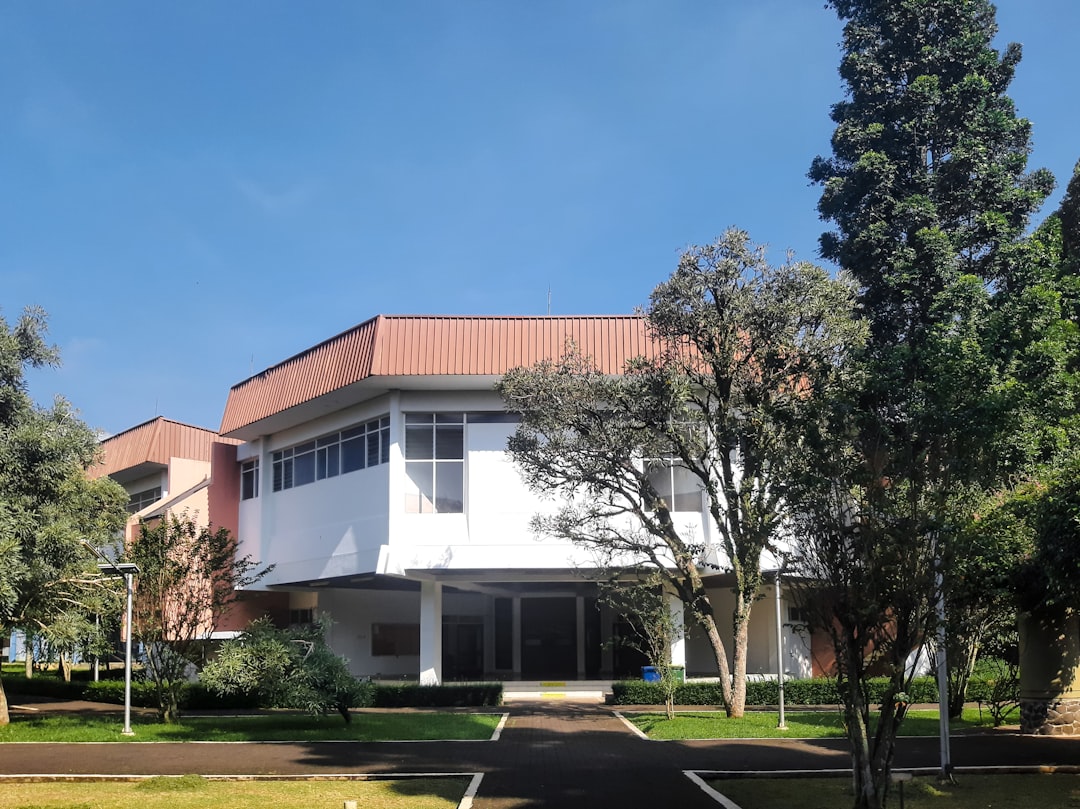
Discover what makes UIN Saifuddin Zuhri Purwokerto notable for students, from its academic identity and campus culture to career preparation and community impact in Indonesia. #uinsaizu #purwokerto #studyinindonesia #highereducation #studentlife #islamiceducation
Universitas Islam Negeri Profesor Kiai Haji Saifuddin Zuhri Purwokerto, often recognized as UIN Saifuddin Zuhri or UIN Saizu, represents a growing model of higher education in Indonesia: one that connects religious scholarship, modern academic learning, and public service. For students exploring universities that combine intellectual development with values-based education, this institution stands out for more than its name alone.
Located in Purwokerto, a city known for its educational atmosphere and relatively student-friendly environment, the university attracts learners who want an experience shaped by academic discipline, cultural depth, and community engagement. Its appeal lies not only in studying Islamic sciences, but also in the way it expands into broader fields that matter in today’s evolving education and job market.
For prospective students, parents, graduates, and education observers, the most useful question is not simply where the university is located or what programs it offers. The better question is why this institution matters now, especially at a time when universities are being asked to produce graduates who are adaptable, ethically grounded, digitally aware, and socially responsive.
A university identity rooted in tradition and change
UIN Saifuddin Zuhri Purwokerto belongs to Indonesia’s important network of state Islamic universities. These institutions play a distinctive role in national higher education because they bring together classical religious learning and contemporary disciplines under one academic umbrella.
That blend is increasingly relevant. Students today are rarely looking for education in isolated silos. They want to understand society, technology, law, communication, economics, and public life in connected ways. Universities with strong intellectual traditions often provide a more reflective learning environment, especially for students who want their education to shape both career direction and character.
In this context, UIN Saizu can be understood as part of a wider movement in Indonesian higher education: institutions that preserve scholarship in theology, Islamic thought, and social ethics while also preparing students for modern professional realities. That makes it especially attractive for learners who do not want to choose between faith-based education and practical academic growth.
Why Purwokerto matters as a study destination
Location affects university life more than many students expect. Purwokerto offers a different pace from Indonesia’s largest metropolitan centers, and for many learners, that can be a real advantage. A city with a strong educational presence often supports more focused study habits, a tighter student community, and easier access to local networks.
For students moving away from home for the first time, an environment like Purwokerto can feel more manageable than a megacity. Living costs, transportation patterns, and the day-to-day rhythm of student life often influence academic performance just as much as classroom teaching does. A supportive city can reduce distractions and make the transition to university smoother.
At the same time, studying in a regional academic hub does not mean being disconnected. Digital learning, remote collaboration, and national academic mobility have changed what a university experience looks like. Students can build local roots while still accessing broader national and global conversations.
The academic landscape students should pay attention to
One of the most important things prospective students should examine at any university is not just the program list, but the academic mindset behind it. Institutions like UIN Saifuddin Zuhri are especially relevant when they encourage interdisciplinary learning. That means students are not trained only to memorize or specialize narrowly, but to interpret ideas, understand social challenges, and connect theory with practice.
Religious studies and social relevance
At a state Islamic university, religious education is not simply a matter of doctrinal instruction. At its best, it becomes a way to study ethics, law, culture, history, language, philosophy, and social responsibility. Students in these fields often develop strong reading skills, analytical depth, and sensitivity to the complexities of public life.
That foundation can be particularly useful in careers involving education, public administration, community leadership, civil society, media, and policy discussions. In a world filled with fast opinions and shallow content, graduates who can think carefully and communicate responsibly remain valuable.
Modern disciplines and employability
Like many evolving universities, institutions in this category are increasingly expected to align education with workforce readiness. Students now look for practical outcomes alongside academic knowledge. That includes communication skills, digital literacy, research ability, teamwork, presentation confidence, and problem-solving.
Even if a student is enrolled in a humanities, religious, or social science program, the modern job market rewards versatility. Knowing how to use data, work with digital platforms, produce clear writing, or understand the basics of technology-driven industries can create a meaningful advantage after graduation.
That is why many students complement university study with hands-on learning such as internship opportunities across technology and business fields. Exposure to real projects can strengthen classroom learning and help students better understand where their interests fit in the wider professional landscape.
Student life beyond lectures and assignments
A university is shaped as much by its student culture as by its curriculum. For many learners, campus life becomes the place where confidence is built, leadership skills are tested, and friendships become long-term networks. At a university like UIN Saizu, student life is likely to be influenced by both academic discipline and community values.
That combination can create a campus culture where organizations, discussion forums, volunteering, student publications, and community outreach all matter. Students often learn how to lead not by sitting in class alone, but by organizing events, participating in debates, supporting social programs, and working across differences.
This matters because employers and postgraduate institutions increasingly look for more than grades. They pay attention to initiative, consistency, collaboration, and the ability to contribute meaningfully to a team or cause. A student who actively participates in campus life often graduates with stronger self-direction.
- Student organizations can build leadership and project management skills.
- Community service activities often strengthen empathy and public communication.
- Religious and cultural events help students stay connected to identity and values.
- Academic seminars and workshops expose learners to broader professional pathways.
The growing importance of digital skills
No university can ignore the digital shift shaping education and employment. Whether students want to work in education, government, media, business, nonprofits, or entrepreneurship, digital competence is no longer optional. It is part of the baseline expectation.
For students at universities with strong social, religious, or educational traditions, this creates an exciting opportunity. They can combine reflective thinking with technical fluency. A graduate who understands ethics and society while also being comfortable with digital tools can be especially effective in modern organizations.
Practical upskilling does not always require changing majors. Students can explore short-format training, portfolio-based learning, and specialized online experience in areas such as AI and machine learning internships or data analytics and data science programs. Even a basic understanding of these fields can help students interpret how technology is changing education, administration, communication, and research.
For example, students in education may benefit from learning digital classroom tools. Students in communication can strengthen content strategy and analytics. Students in public administration can better understand data-driven decision-making. Students interested in research can improve how they gather, interpret, and present evidence.
Research, community service, and public impact
One defining strength of many Indonesian universities, especially public and faith-linked institutions, is their connection to society beyond campus walls. Community engagement is not merely an extra activity. It often sits at the heart of the university mission.
At a university like UIN Saifuddin Zuhri Purwokerto, that public-facing role can take many forms: educational outreach, local empowerment initiatives, social research, policy discussions, religious guidance, youth programs, and collaborations that address regional needs. When universities remain connected to real communities, students gain a clearer sense of why knowledge matters.
This is particularly important in an era when higher education is often criticized for feeling detached from everyday life. Institutions that encourage students to observe social issues directly tend to produce graduates who are more grounded, more responsive, and better prepared to work in diverse environments.
For students, this has practical value. Community-oriented academic experiences help build interviewing skills, observation skills, fieldwork confidence, and an ability to translate ideas into action. Those capacities are useful in teaching, social development, public policy, journalism, nonprofit work, and entrepreneurship.
What prospective students should evaluate before applying
Choosing a university should be a thoughtful decision, especially when students are balancing academic ambition, family expectations, financial planning, and long-term career goals. Anyone considering UIN Saifuddin Zuhri Purwokerto should look beyond the institution’s name and ask practical questions about fit.
Academic fit
Students should review available faculties, teaching approach, curriculum direction, and learning environment. A strong university choice is one where the student can imagine not just enrolling, but thriving over several years of sustained study.
Campus environment
Some students need a large, fast-moving city to feel energized. Others do better in a more structured and community-oriented setting. Understanding your preferred environment can make a major difference in academic success.
Career preparation
Prospective students should ask how the university supports employability. That includes internships, soft-skills development, alumni networks, student organizations, project work, and access to broader training opportunities.
Values and personal growth
For many families, especially in faith-conscious educational contexts, the moral and cultural environment of a campus matters. A university experience is not only about finding a job; it is also about shaping judgment, identity, and responsibility.
Students seeking official updates on programs, admissions, and campus developments should always refer to the UIN Saifuddin Zuhri Purwokerto official website, where institutional information is most reliably maintained.
How this university fits broader higher education trends
Across Asia and beyond, universities are being evaluated on more than legacy or size. Students now care about relevance. They want to know whether a university can help them think clearly, adapt quickly, and enter the future with confidence.
In that sense, institutions like UIN Saizu reflect an important direction in higher education. They show that modern academic development does not have to erase cultural or religious identity. Instead, universities can become spaces where heritage and innovation reinforce each other.
This matters for Indonesia in particular. The country needs graduates who can work across communities, engage thoughtfully with social change, and participate in national development with ethical awareness. Universities that nurture both competence and conscience are likely to remain significant.
Who may find UIN Saifuddin Zuhri especially appealing
Not every university fits every student, and that is exactly why informed choices matter. UIN Saifuddin Zuhri Purwokerto may be especially attractive to learners who value a balanced academic life.
- Students who want a combination of Islamic scholarship and modern academic study.
- Learners looking for a campus environment that supports reflection, discipline, and community.
- Prospective educators, researchers, social sector workers, and public service-minded graduates.
- Students who want to pair traditional academic study with digital or professional upskilling.
- Families seeking higher education that emphasizes both knowledge and character formation.
That balance is increasingly rare and increasingly valuable. In a noisy education market, students often benefit most from institutions that help them build substance, not just credentials.
A university experience that can grow with the student
What ultimately makes a university meaningful is not only its buildings, branding, or reputation. It is the kind of transformation it enables. A good university helps students become more capable, more articulate, and more aware of the responsibilities that come with education.
For many learners, UIN Saifuddin Zuhri Purwokerto represents that kind of possibility. It sits at the meeting point of scholarship, faith, public service, and evolving professional expectations. In practical terms, that means students can build academic foundations while also preparing for a future shaped by technology, social change, and lifelong learning.
As higher education becomes more competitive and more interconnected, universities that combine rooted identity with openness to change will continue to matter. For students willing to engage seriously with both knowledge and purpose, UIN Saifuddin Zuhri Purwokerto is a name worth understanding in full.
#uinsaizu #purwokerto #studyinindonesia #highereducation #studentlife #islamiceducation


 Your IP Address : 34.89.160.119