
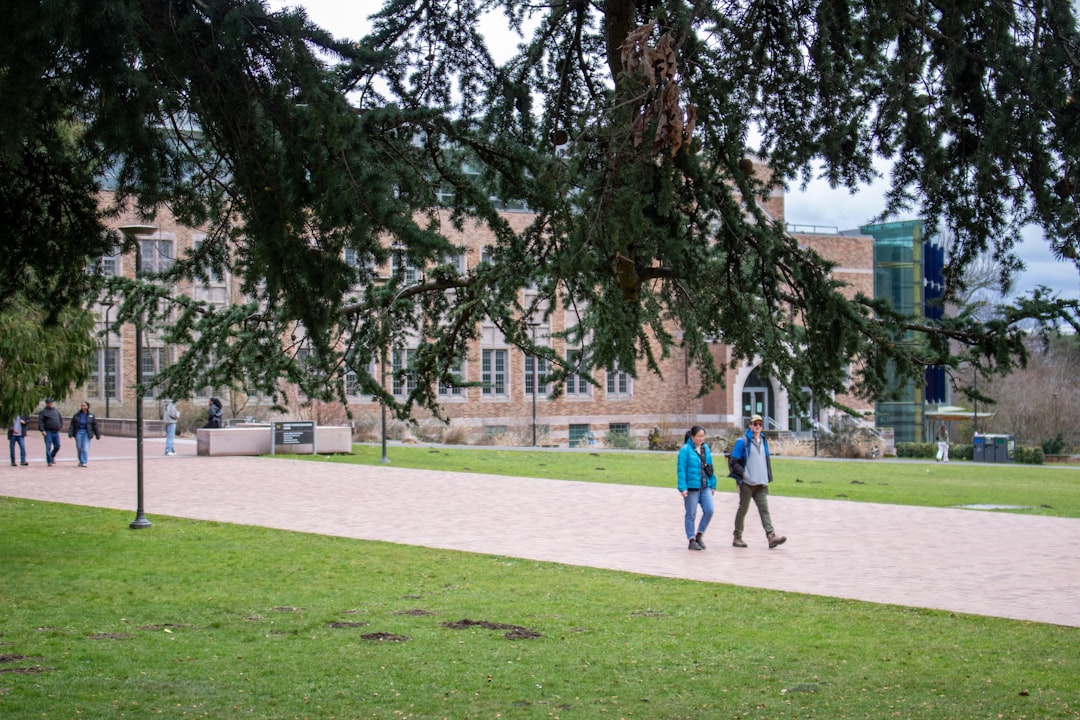
Higher education is facing a period of radical transformation. From Texas university systems streamlining core curriculum options to legal battles over institutional autonomy and diversity initiatives, these shifts signal a new era for students and administrators alike. Explore the latest trends shaping the future of the American university experience. #highereducation #texasuniversities #academicfreedom #corecurriculum #educationtrends #universitynews
The Reimagining of the Texas Core Curriculum
In a move that has sent ripples through the academic community, three of the largest university systems in Texas—the University of Texas System, the Texas A&M University System, and the Texas State University System—have recently signaled a significant shift in their approach to core curriculum requirements. For decades, the core curriculum has served as the bedrock of a liberal arts education, designed to provide students with a broad foundation of knowledge across various disciplines before they specialize in their chosen majors. However, the recent decision to slash the number of available options within these core categories marks a departure from that traditional philosophy.
The move is largely seen as a response to both legislative pressure and a growing demand for academic efficiency. Critics of the existing system argue that an overabundance of course options can lead to “degree creep,” where students take longer to graduate because they are overwhelmed by choices or because certain courses do not transfer easily between institutions. By narrowing the list of approved courses that satisfy core requirements—such as history, government, and the arts—administrators hope to create a more streamlined path to graduation. This standardization is intended to ensure that every student, regardless of which campus they attend within a system, receives a consistent and focused foundational education.
The Intersection of Politics and Pedagogy
While the stated goals are often framed in terms of efficiency and student success, many observers point to the broader political climate in Texas as a primary driver. In recent years, state legislators have taken an increasingly active role in overseeing university operations. Bills such as Senate Bill 17, which targeted Diversity, Equity, and Inclusion (DEI) offices, have already fundamentally changed the administrative landscape of Texas campuses. The move to restrict core curriculum options is viewed by some faculty members as an extension of this trend—an attempt to exert more control over what is taught in the classroom.
For example, by limiting the types of history or political science courses that fulfill state-mandated requirements, the university systems can effectively prioritize certain narratives or methodologies over others. This has raised concerns about academic freedom and the role of faculty in determining the curriculum. Traditionally, the development of course content and the selection of core offerings have been the purview of academic departments. The shift toward a more top-down, system-wide approach to curriculum design represents a significant change in the power dynamics of higher education governance.
Impact on the Student Experience
For students, the reduction in core curriculum options is a double-edged sword. On one hand, a more prescribed path can reduce the stress of course selection and ensure that credits are more likely to count toward graduation requirements if a student transfers. This is particularly relevant in a state like Texas, where a large number of students begin their journey at community colleges before moving to four-year institutions. A standardized core makes the transition much smoother, potentially saving students thousands of dollars in tuition and months of time.
On the other hand, the narrowing of options can limit the intellectual exploration that is often the hallmark of the first two years of college. A student interested in engineering might have previously satisfied an arts requirement by taking a niche course on the history of jazz or the sociology of cinema—courses that might have sparked a lifelong interest or provided a unique perspective on their primary field of study. If those options are removed in favor of a single, broad “Introduction to Fine Arts” course, the richness of the academic environment may be diminished. In an era where interdisciplinary thinking is highly valued by employers, the loss of these diverse perspectives is a point of concern for many educators.
The Battle for Antioch University
While Texas grapples with curriculum standards, another significant story has emerged from Antioch University, which is currently embroiled in a fight against what its leadership describes as a “hostile takeover.” This situation highlights a different but equally pressing challenge in higher education: the struggle for institutional autonomy in an era of financial instability and administrative consolidation. Antioch, known for its progressive history and social justice mission, has long operated as a decentralized network of campuses.
The conflict centers on a proposed restructuring that some faculty and alumni believe would strip individual campuses of their unique identities and concentrate power in a centralized administration. The rhetoric of a “hostile takeover” suggests a deep lack of trust between the university’s governing board and its academic community. This case serves as a cautionary tale for other institutions considering mergers or radical reorganizations. It underscores the importance of transparent governance and the need to balance financial sustainability with the preservation of an institution’s core mission and values.
The IRS and the Future of Diversity Initiatives
The landscape of higher education is also being reshaped by federal regulatory moves. Recent reports indicate an IRS plan that could potentially penalize organizations—including universities—for certain types of diversity-focused work. This development comes on the heels of the Supreme Court’s decision to end affirmative action in college admissions, creating a complex legal and financial environment for institutions committed to fostering diverse student bodies.
If the IRS begins to scrutinize the tax-exempt status of institutions based on their DEI initiatives, it could have a chilling effect on programs designed to support underrepresented groups. Universities rely heavily on their tax-exempt status to manage their endowments and fund research. The threat of losing this status, or even facing significant audits, may force many institutions to scale back their diversity efforts, even if they believe those efforts are central to their educational mission. This intersection of tax law and social policy represents a new frontier in the ongoing debate over the role of universities in promoting social equity.
Adapting to a Changing Academic Landscape
As traditional degree paths become more rigid and politically fraught, many students are looking for ways to supplement their education with practical, future-proof skills. The shift in core curriculums often emphasizes “marketable skills,” but the definition of those skills is rapidly evolving. For many, this means looking beyond the traditional classroom to gain expertise in emerging fields. Students who find their on-campus options limited may benefit from exploring specialized opportunities such as a Data Analytics & Data Science internship to gain the technical proficiency that modern employers demand.
The tension between a broad liberal arts foundation and specialized vocational training is not new, but it has reached a boiling point. As universities in Texas and elsewhere move toward more standardized models, students must become more proactive in shaping their own educational journeys. This might involve seeking out all internships available to them, regardless of their major, to build a diverse portfolio of experiences that a narrowed core curriculum may no longer provide.
The Role of Technology and Innovation
Innovation in education is also playing a role in how universities respond to these challenges. While some systems are cutting options, others are leveraging technology to expand access. The rise of online learning and AI-driven personalized instruction offers a potential counterweight to the narrowing of the physical classroom experience. For students interested in how these technologies are built and deployed, engaging with an AI & Machine Learning internship can provide insights that are rarely covered in a standard core curriculum.
According to research from organizations like the American Association of University Professors (AAUP), the preservation of academic freedom and faculty governance is essential for the long-term health of higher education. As institutions navigate the pressures of state oversight and financial constraints, the ability to innovate while remaining true to the principles of free inquiry will be the defining challenge of the next decade. The situation in Texas is a high-profile example of a national trend where the value of a university degree is being recalculated in real-time by legislators, administrators, and the public alike.
Looking Ahead: The New University Model
The events of the past week suggest that the “standard” university model of the 20th century is being dismantled in favor of something more streamlined, more regulated, and more closely tied to immediate economic outcomes. Whether this shift results in a more efficient system that serves more students, or a diminished academic experience that lacks depth and diversity, remains to be seen. What is clear is that the conversation around what a college education should be—and who should control it—is far from over.
Students entering university today must be more than just passive recipients of a curriculum; they must be strategic architects of their own careers. By understanding the shifts in policy and governance, and by seeking out high-value external experiences, they can navigate this changing landscape successfully. The university of the future may offer fewer choices in the course catalog, but the world outside the campus gates offers more opportunities than ever for those prepared to find them.
The evolution of higher education is a reflection of the broader shifts in our society. As we demand more accountability and efficiency from our institutions, we must also be careful not to lose the very things that make a university education transformative: the freedom to explore, the challenge of diverse perspectives, and the autonomy to pursue knowledge for its own sake. The coming years will determine if we can find a balance that serves both the needs of the state and the aspirations of the individual student.
#highereducation #texasuniversities #academicfreedom #corecurriculum #educationtrends #universitynews


 Views Today : 182
 Views Yesterday : 223
 Your IP Address : 216.73.216.54