
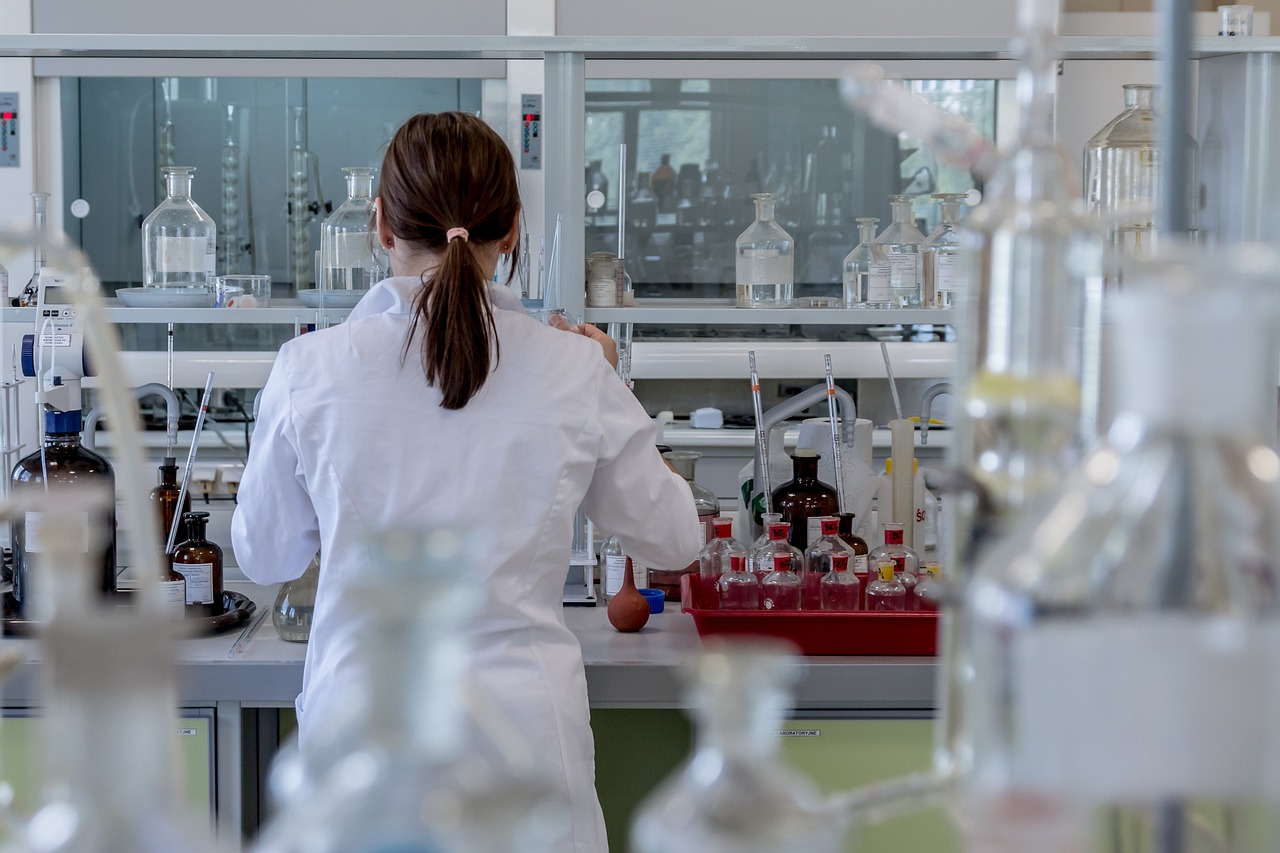
Experience a funded 8-week research internship at HZDR in Germany. Open to students in physics, life sciences, and engineering, the program provides stipends, housing, and expert mentorship in Dresden. Perfect for those pursuing international research careers. #hzdr2027 #researchgermany #internship2027 #stemeducation #studyabroad #scientificresearch
The pursuit of scientific excellence often requires more than just a classroom education; it demands immersion into the environments where groundbreaking discoveries are made. For students in the physical and life sciences, the HZDR Summer Student Program 2027 in Germany represents one of the most prestigious gateways into the world of high-impact research. Hosted by the Helmholtz-Zentrum Dresden-Rossendorf (HZDR), this program is designed to bridge the gap between theoretical academic knowledge and practical, hands-on scientific application.
Located in the historic and technologically vibrant city of Dresden, the HZDR is a member of the Helmholtz Association, Germany’s largest scientific organization. This summer program offers a rare opportunity for international students to spend eight weeks in a world-class facility, contributing to projects that push the boundaries of what we know about matter, energy, and health. Whether you are an aspiring physicist, a biology enthusiast, or a budding engineer, this program is crafted to challenge your intellect and expand your professional horizons.
Understanding the Helmholtz-Zentrum Dresden-Rossendorf (HZDR)
To appreciate the value of this summer program, one must first understand the institution behind it. HZDR is a research center that focuses on three core areas: energy, health, and matter. Their mission is to conduct research that provides solutions to the grand challenges facing society and the economy. From developing new imaging techniques for cancer diagnosis to exploring the properties of matter under extreme conditions, the work done here is globally recognized for its precision and innovation.
The center operates several large-scale facilities, including the Dresden High Magnetic Field Laboratory and the ELBE center for high-power radiation sources. Students participating in the summer program don’t just observe these facilities; they become part of the teams that operate them. This exposure to large-scale infrastructure is a significant highlight, as it provides a scale of research rarely available at most universities.
Core Research Pillars of the Summer Program
The HZDR Summer Student Program is not a one-size-fits-all internship. It is highly tailored to the specific interests and backgrounds of the participants. The research activities are broadly categorized into several key domains:
- Physical Sciences: Exploring condensed matter, materials science, and nuclear physics. Students may work on projects involving thin films, ion beam analysis, or nanotechnology.
- Life Sciences: Focusing on radiopharmaceutical cancer research and environmental isotopes. This is ideal for students interested in the intersection of chemistry, biology, and medicine.
- Engineering and Technology: Designing the instruments and software that make modern science possible. This includes mechanical engineering, electronics, and advanced technological development.
A significant portion of the modern scientific workflow involves data analytics and data science. As experiments generate massive amounts of information, students often find themselves learning how to process and interpret complex datasets using advanced computational tools.
Experimental and Theoretical Work Experience
One of the unique aspects of the HZDR program is the choice between experimental and theoretical work. Students are encouraged to specify their preference during the application process, allowing them to align the internship with their career goals. For those who enjoy the tactile nature of the lab, experimental roles offer experience in sample preparation, vacuum technology, and data acquisition systems. You might find yourself working with particle accelerators or sophisticated laser systems.
On the other hand, students who prefer the mathematical side of science can dive into theoretical research. This involves modeling physical processes, creating simulations, and developing algorithms. This track is particularly well-suited for those looking to improve their skills in AI and machine learning, as these technologies are increasingly used to predict material behaviors and biological interactions.
Daily Life in a German Research Center
What does a typical day look like for a summer student at HZDR? The program is designed to mirror the life of a professional researcher. You will be assigned a specific project plan and a supervisor who will guide you throughout the eight weeks. Morning sessions often involve lab work or computational tasks, while afternoons might be dedicated to team meetings, literature reviews, or attending the specialized lecture series.
Between weeks 31 and 35 of the calendar year, HZDR hosts a series of scientific lectures specifically for the summer students. These lectures are delivered by senior scientists and cover a wide range of topics, providing a broad overview of the research being conducted across the entire Helmholtz Association. This interdisciplinary approach ensures that even if you are a physicist, you gain an understanding of how your work might impact the life sciences or environmental technology.
Financial Support and Program Benefits
One of the most attractive features of the HZDR Summer Student Program 2027 is that it is fully funded, removing the financial barriers that often prevent talented international students from studying abroad. The organizers understand that moving to Germany for two months involves significant costs, and they have structured the program to be as inclusive as possible.
Stipend and Living Expenses
Participants receive a monthly salary or stipend designed to cover their daily living expenses in Dresden. While Germany is relatively affordable compared to other Western European countries, having a guaranteed income allows students to focus entirely on their research without worrying about part-time work or external funding. This stipend typically covers food, personal items, and local leisure activities.
Accommodation and Transport
The program provides free accommodation for the duration of the eight-week stay. Students are usually housed in the HZDR student guesthouse or similar university-affiliated housing. This not only solves the logistics of finding short-term rentals in a foreign country but also creates a community atmosphere where students from different parts of the world can live and socialize together. Additionally, public transport tickets are often provided, making it easy to commute between the guesthouse and the research center, as well as to explore the city of Dresden.
Insurance and Travel
Health, accident, and third-party liability insurance are typically covered by the host organization. Furthermore, HZDR often provides a contribution toward travel expenses. The amount of this contribution is calculated based on the student’s home location, helping to offset the cost of international flights or train tickets.
Eligibility and Academic Requirements
The HZDR Summer Student Program is highly competitive, and the selection committee looks for students who demonstrate both academic excellence and a genuine passion for research. The program is primarily open to Master’s students, diploma students, or advanced undergraduate students who have completed at least three years of their studies by the time the program begins.
Key requirements include:
- Field of Study: Physics, life sciences, engineering, or a closely related natural science field.
- Enrollment Status: You must have a valid enrollment at a university during the program dates.
- Language Proficiency: Since the mode of communication is English, a high level of proficiency is required. This ensures that students can participate in discussions, understand lectures, and write their final reports.
- Academic Record: A strong GPA and a clear interest in the research areas of HZDR are essential.
The Application Roadmap
Securing a spot in this program requires careful preparation and attention to detail. The application process is conducted entirely online through the HZDR portal. Applicants are asked to provide detailed information about their academic history, their research preferences, and their availability during the summer months.
Essential documents include a professional CV in English, copies of academic transcripts, and a copy of your student ID. Perhaps the most critical component is the Letter of Recommendation. This should come from a professor or academic supervisor who can attest to your research potential and your ability to work in an international laboratory setting. When writing your application, be sure to highlight any previous experience with experimental tools, coding languages, or data analysis software.
The deadline for the upcoming cycle is February 22, 2026. Given the competitive nature of the selection process, it is advisable to begin gathering your documents and contacting your referees well in advance. For more details, you can visit the official HZDR website or check resources provided by the DAAD regarding internships in Germany.
Life in Dresden: More Than Just Science
While the focus of the program is undoubtedly scientific research, being stationed in Dresden offers an incredible cultural experience. Known as the “Florence on the Elbe,” Dresden is famous for its stunning Baroque architecture, world-class museums, and vibrant arts scene. Students often spend their weekends exploring the Zwinger Palace, the Frauenkirche, or taking a boat trip down the river.
Dresden is also a major hub for the high-tech industry in Europe, often referred to as “Silicon Saxony.” This means that the connections you make at HZDR could lead to future career opportunities in the many tech companies and research institutes located in the region. The international nature of the summer program means you will finish the eight weeks with a global network of peers and mentors, which is invaluable as you progress into a PhD or a professional scientific career.
The transition from a student to a professional researcher is a journey that requires exposure to high-level challenges and diverse perspectives. Programs like the HZDR Summer Student Program 2027 provide the structure, funding, and mentorship needed to make that transition successful. By spending your summer in one of Europe’s leading research hubs, you are not just building a CV; you are contributing to the global scientific community and preparing yourself for a future of innovation and discovery.
#hzdr2027 #researchgermany #internship2027 #stemeducation #studyabroad #scientificresearch


 Views Today : 114
 Views Yesterday : 180
 Your IP Address : 216.73.217.53