
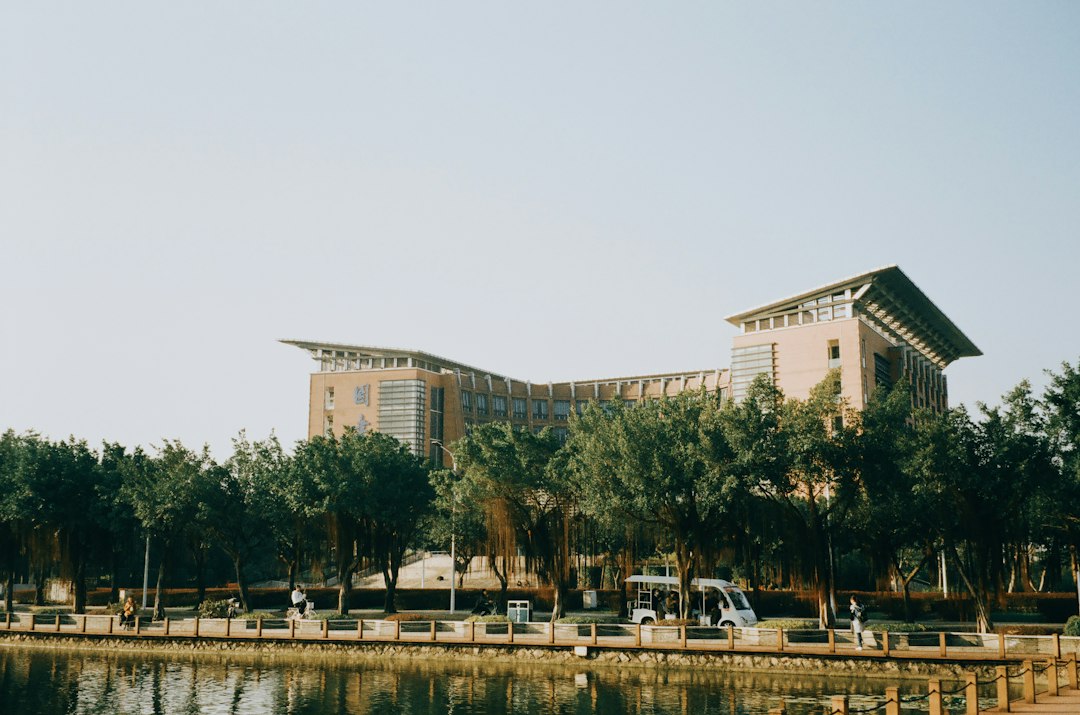
İstanbul Medipol University continues to solidify its reputation on the global stage, recently earning a significant placement in the QS Sustainability Ranking 2027. This recognition serves as a testament to the university’s holistic approach to education, research, and campus management, emphasizing that modern academic excellence is no longer measured solely by test scores or research citations. Today, a university’s value is increasingly defined by its commitment to the planet and its ability to foster a socially equitable environment. For students and faculty at Medipol, this ranking is more than just a number; it is a reflection of a deep-seated institutional philosophy that prioritizes long-term impact over short-term gains.
As global challenges like climate change, economic inequality, and resource scarcity become more pressing, higher education institutions are being called upon to lead by example. The QS Sustainability Ranking specifically evaluates how universities are taking action to tackle the world’s greatest environmental, social, and governance (ESG) challenges. İstanbul Medipol University has embraced this challenge by integrating sustainable practices into its core curriculum, fostering interdisciplinary research that addresses the United Nations Sustainable Development Goals (SDGs), and transforming its campus into a living laboratory for green innovation.
The Evolution of Sustainability in Higher Education
In the past, sustainability in a university setting was often relegated to specific niche departments, such as environmental science or ecology. However, the shift toward a more comprehensive global ranking system like the one provided by Quacquarelli Symonds (QS) illustrates that sustainability must permeate every aspect of an institution. For İstanbul Medipol University, this has meant reimagining the role of a higher education provider in the 21st century. It involves looking at the university as an ecosystem where the health of the students, the efficiency of the buildings, and the relevance of the research are all interconnected.
The QS Sustainability Ranking 2027 focuses on three primary categories: Environmental Impact, Social Impact, and Governance. Within these categories, universities are assessed on performance across various lenses, including environmental education, environmental research, equality, knowledge exchange, and the employability and opportunities afforded to graduates. Medipol’s performance in these areas highlights a strategic alignment with international standards, ensuring that its graduates are not only technically proficient but also socially conscious leaders.
Environmental Impact and Green Research
One of the strongest pillars of İstanbul Medipol University’s ranking success lies in its environmental impact. This isn’t just about planting trees or reducing plastic waste on campus—though those efforts are important. It is about the intellectual output of the university. Medipol has dedicated significant resources to fostering research that addresses climate mitigation, renewable energy, and sustainable urban planning. By encouraging faculty to collaborate across disciplines, the university produces insights that have real-world applications in the fight against ecological degradation.
Furthermore, the university’s commitment to environmental education ensures that students across all disciplines—from medicine to engineering—understand the environmental implications of their future professions. A doctor trained at Medipol learns about the intersections of climate change and public health, while an architect learns about sustainable materials and energy-efficient design. This cross-pollination of ideas is essential for creating a workforce capable of navigating a rapidly changing world.
The Social Impact Pillar: Equality and Opportunity
Sustainability is not just an environmental term; it is deeply rooted in social justice. The QS Sustainability Ranking places a high premium on social impact, which includes metrics related to equality, diversity, and the well-being of the campus community. İstanbul Medipol University has long championed an inclusive environment, offering a wide range of scholarships and support systems to ensure that students from all socioeconomic backgrounds have access to high-quality education. This commitment to educational equity is a cornerstone of the university’s social sustainability strategy.
Moreover, the university’s emphasis on health and wellbeing—a natural strength given its prominent medical faculty—plays a vital role in its social impact score. By providing health services, mental health support, and promoting a balanced lifestyle for its students and staff, Medipol contributes to a more resilient and productive community. This holistic view of student success ensures that learners are prepared for the rigors of the modern professional world without sacrificing their physical or mental health.
Knowledge Exchange and Global Partnerships
Knowledge exchange is a critical component of the QS ranking, measuring how effectively a university shares its expertise with the wider world. İstanbul Medipol University excels in this area through its robust network of international partnerships and its active participation in global research consortia. By collaborating with other top-tier universities and industry leaders, Medipol ensures that its research doesn’t stay confined to the library but reaches those who can implement it in industry and policy.
For students, these partnerships often translate into internship opportunities and collaborative projects. Those interested in the intersection of technology and sustainability might explore a AI & Machine Learning Internship to learn how data-driven insights can optimize energy consumption or predict environmental shifts. These practical experiences are vital for turning academic theory into actionable solutions, and they significantly enhance a graduate’s employability in a competitive global market.
Technology as an Enabler of Sustainability
In the modern era, sustainability and technology are inseparable. The digital transformation of industries allows for more efficient resource management, less waste, and more transparent reporting. İstanbul Medipol University recognizes this synergy, integrating advanced digital tools into its campus operations and its academic programs. Whether it’s through the use of smart building technologies that adjust lighting and temperature based on occupancy or the implementation of digital administration systems that eliminate paper waste, technology is the engine driving the university’s green initiatives.
This focus on technology also extends to the student experience. As industries move toward a more sustainable future, there is a growing demand for professionals who can build the digital infrastructure required for a green economy. For instance, students pursuing a Full Stack Development Internship are learning the skills needed to create platforms that track carbon footprints, manage renewable energy grids, or facilitate circular economy marketplaces. By equipping students with these high-demand technical skills, Medipol is ensuring that its graduates are at the forefront of the sustainable technology revolution.
Governance and Ethical Leadership
The final component of the QS Sustainability Ranking is Governance. This involves how a university is run—its transparency, its ethical guidelines, and its commitment to democratic decision-making. İstanbul Medipol University’s inclusion in the 2027 rankings reflects its strong governance framework. Ethical leadership is not just taught in the classroom; it is practiced at the highest levels of the university administration. This culture of accountability ensures that the university remains focused on its long-term mission and remains a trusted institution for students, parents, and partners alike.
Good governance also includes financial transparency and the ethical endowment of funds. By ensuring that investments and expenditures align with the university’s sustainability goals, Medipol sets an example for other institutions in the region. This transparency builds a sense of pride and trust within the student body, who know that their university is operating with integrity and foresight.
Looking Toward the Future: The 2030 Horizon
The QS Sustainability Ranking 2027 is a significant milestone, but for İstanbul Medipol University, it is just one step in a much longer journey. The university has its sights set on the year 2030, aligning its strategic goals with the global agenda for sustainable development. This involves a commitment to achieving net-zero carbon emissions, further increasing the diversity of its faculty and student body, and continuing to pioneer research that addresses the most critical issues of our time.
For prospective students, choosing a university that ranks well in sustainability is a decision that impacts their future career prospects. Companies are increasingly looking for graduates who understand the principles of ESG and who can help their organizations transition to more sustainable business models. A degree from an institution like Medipol, which is recognized globally for its commitment to these values, provides a significant advantage in the job market.
The Role of the Student Body
While institutional policy is important, the true heart of sustainability at İstanbul Medipol University is its student body. From student-led environmental clubs to social outreach programs, the university’s students are the primary drivers of change. Their enthusiasm for building a better world is what fuels the university’s ranking success. By providing students with the resources, mentorship, and platform to launch their own initiatives, Medipol creates a culture of empowerment that extends far beyond the campus walls.
As we move deeper into the decade, the collaboration between academia, industry, and the public sector will become even more vital. Universities like İstanbul Medipol are the bridges that connect these worlds, providing the research, the talent, and the ethical framework needed to build a sustainable future. The QS Sustainability Ranking 2027 highlights that Medipol is not just a place for learning, but a leader in the global movement toward a more equitable and environmentally conscious society.
The recognition of İstanbul Medipol University in these prestigious rankings serves as an invitation for continued progress. It encourages a culture where every research project, every lecture, and every campus event is viewed through the lens of sustainability. As the university continues to innovate and lead, it sets a high bar for excellence in the region and beyond, proving that the most successful institutions of the future will be those that prioritize the well-being of the planet and its people above all else.
#sustainability #highereducation #medipoluniversity #greenranking #globalimpact #qsworldrankings


 Views Today :
 Views Yesterday : 229
 Your IP Address : 216.73.217.128