
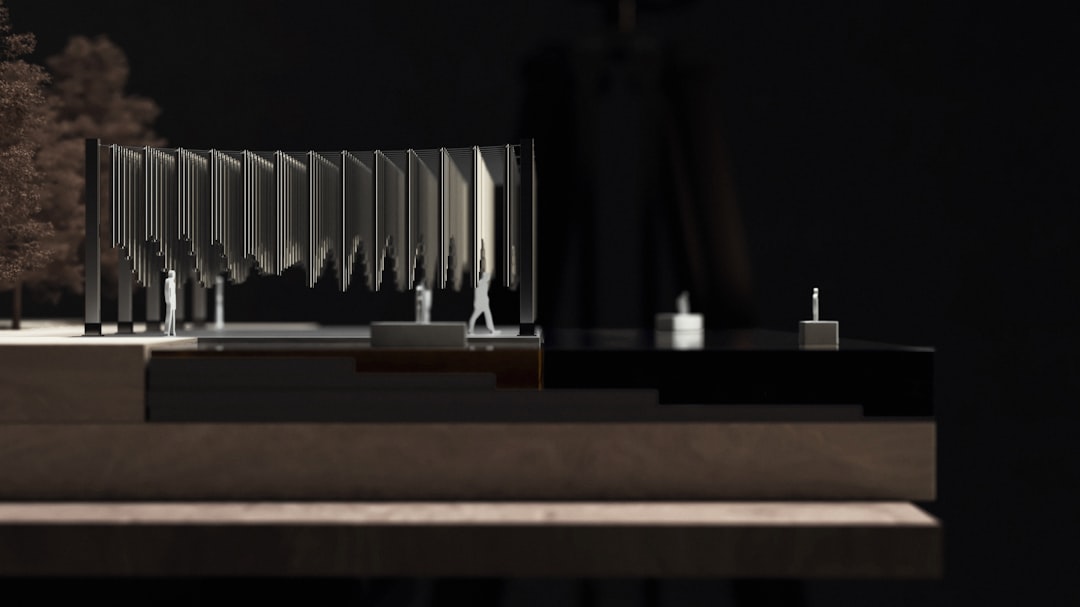
The definition of an architect is undergoing a radical transformation. No longer confined to the traditional roles of drafting blueprints for residential or commercial structures, modern architects are now operating at the intersection of cinema, artificial intelligence, environmental science, and social theory. This shift is being led by institutions that recognize the built environment is as much about digital platforms and ecological systems as it is about steel and concrete. At the Southern California Institute of Architecture (SCI-Arc), specifically through its EDGE Center for Advanced Studies in Architecture, this evolution is not just observed—it is actively engineered.
Architecture today is a multidisciplinary field that demands fluency in various high-tech domains. Whether it is training a neural network to generate spatial forms, designing the immersive cities seen in blockbuster video games, or rethinking how we inhabit the increasingly fragile landscapes of the American West, the scope of the profession has widened. SCI-Arc EDGE offers four distinct Master of Science (MS) degrees that allow students to dive deep into these specialized territories over the course of a single, intensive year. These programs—Architectural Intelligence, Fiction and Entertainment, Synthetic Landscapes, and Design Theory & Pedagogy—represent the cutting edge of what it means to be a designer in the 21st century.
The Intersection of AI and Spatial Design
Artificial Intelligence is no longer a futuristic concept; it is a current tool that is fundamentally changing how designers think. However, the MS in Architectural Intelligence: AI, Platforms, and Automation at SCI-Arc goes far beyond the simple act of typing a text-to-image prompt. It challenges students to understand the underlying logic of machine learning and how it can be harnessed to create complex, responsive environments. This is particularly relevant for those interested in pursuing an AI & Machine Learning internship or career, as the program bridges the gap between data science and physical form.
Students in this program explore three core pillars: sensing and analysis, generation and automation, and interface and mediation. By utilizing 3D scanning and LiDAR technology, they can capture real-world sites and translate them into digital datasets. These datasets then serve as the foundation for AI-driven pipelines that can generate architectural solutions that a human designer might never have conceived alone. This process involves a deep dive into coding, robotic fabrication, and XR (Extended Reality) development, ensuring that graduates are not just users of technology, but its creators.
Automation and the Future of Construction
Beyond the design phase, automation is set to revolutionize how we build. The program investigates how robotic arms and automated construction platforms can be integrated into the architectural workflow. This isn’t just about efficiency; it’s about exploring new aesthetic possibilities that were previously impossible due to the limitations of human labor or traditional manufacturing. By mastering these tools, students prepare themselves for a future where the architect also acts as a software developer and a systems engineer.
Worldbuilding: Architecture as Narrative
In Los Angeles, the line between the physical city and the digital worlds created for the screen is famously thin. The MS in Fiction and Entertainment at SCI-Arc leverages this unique location to teach architects how to build worlds for film, television, and video games. This program recognizes that many of the most influential “architects” of our time aren’t building skyscrapers; they are designing the environments for franchises like Marvel, Star Wars, or the latest open-world gaming sensations.
Throughout the three-semester program, students work on a year-long thesis that translates architectural thinking into storytelling. Whether the final output is a short film, a VR experience, or a music video, the focus remains on how space can communicate narrative and emotion. This path is ideal for creative thinkers who want to transition into the entertainment industry, working with major studios and visual effects houses. The curriculum often involves collaboration with industry giants like Disney Imagineering and Netflix, providing a direct pipeline into the professional world of production design and creative direction.
The Role of Game Engines in Design
Modern architects are increasingly using tools like Unreal Engine and Unity to visualize their projects. In the Fiction and Entertainment program, these engines are used not just for visualization, but as the primary medium for creation. Students learn to build interactive environments where lighting, physics, and user agency all play a role in the architectural experience. This intersection of tech and design is a prime example of how Full Stack Development concepts can be applied to spatial storytelling, creating immersive digital ecosystems.
Synthetic Landscapes: Ecology and Infrastructure
As climate change continues to reshape our planet, the way we design our landscapes must also change. The MS in Synthetic Landscapes focuses on the complex relationship between human-made infrastructure and natural ecological systems. Using California as a living laboratory—from the industrial waterways of the LA River to the vast agricultural stretches of the Central Valley—students investigate how we can redesign our environment to be more resilient and sustainable.
This program is deeply rooted in the use of advanced technology to monitor and respond to environmental changes. Students utilize Data Analytics & Data Science to understand climate patterns, soil health, and water usage. By combining this data with computational research and 3D fabrication, they can prototype new types of landscapes that serve both human needs and ecological health. It is a program that views the desert, the river, and the city not as separate entities, but as a single, interconnected system.
- Urban Ecology: Studying how nature persists and thrives within dense metropolitan areas.
- Resource Management: Designing systems for water conservation and energy efficiency in arid climates.
- Technological Prototyping: Using CNC machining and robotics to create physical interventions in the landscape.
The Pedagogy of Design: Teaching the Next Generation
The final pillar of the SCI-Arc EDGE program is the MS in Design Theory & Pedagogy. This degree is specifically designed for those who wish to pursue a career in academia and shape the future of architectural education. As the discipline evolves, the methods we use to teach it must also change. This program gives future educators the space to experiment with new curricula and pedagogical models that reflect the complexities of the modern world.
Students in this program don’t just study history; they actively participate in the current discourse of the field. They develop course frameworks that incorporate contemporary issues like AI ethics, social justice in design, and material innovation. By collaborating with institutions like the Getty Research Institute and UCLA, they gain a broad perspective on how architecture can be communicated through writing, curating, and public speaking. This program ensures that the next generation of architects is taught by individuals who are as comfortable with theory as they are with technology.
The Los Angeles Advantage and STEM Designation
One of the most significant advantages of studying at SCI-Arc is its location in the heart of Los Angeles. LA is a city of constant reinvention, serving as a global hub for technology, entertainment, and architectural experimentation. The city’s diverse landscape—ranging from dense urban centers to rugged coastlines—provides endless inspiration and real-world challenges for students to tackle.
Furthermore, all four of the MS programs at SCI-Arc EDGE are STEM-designated. This is a crucial detail for international students, as it allows them to apply for a 24-month STEM OPT extension following their initial year of post-completion Optional Practical Training (OPT). This extension provides a total of three years to work in the United States, offering invaluable opportunities to gain experience in some of the world’s leading design and technology firms. It makes the investment in a one-year master’s degree significantly more impactful for a global career.
A Culture of Exchange and Critique
While each of the four degrees has a specific focus, they do not exist in silos. The EDGE program operates as a think-tank, encouraging constant exchange between students of different disciplines. A student focused on AI might collaborate with a student in Synthetic Landscapes to create a machine-learning model that predicts forest fire behavior. Similarly, a student in Fiction and Entertainment might work with a Design Theory student to explore how cinematic worldbuilding can be used as a teaching tool in the classroom. This culture of critique and experimentation is what defines the SCI-Arc experience.
The intensity of the one-year model is designed to push students to their creative limits. With three packed semesters, there is little room for hesitation. Students are encouraged to take risks, fail fast, and iterate quickly. This pace mirrors the reality of the professional world, where the ability to adapt and innovate is the key to success. Graduates leave the program not just with a degree, but with a portfolio of work that demonstrates their ability to operate at the very edge of the architectural discipline.
Ultimately, the future of architecture lies in the hands of those who are willing to look beyond the traditional boundaries of the field. Whether it is through the lens of a camera, the logic of a computer program, or the soil of a changing landscape, the opportunities for architectural expression are more vast than ever before. By choosing a path that aligns with these emerging territories, students can ensure that they are not just watching the future happen—they are the ones building it.
#architecture #sciarcedge #architecturalintelligence #worldbuilding #stemeducation #losangeles


 Views Today : 74
 Views Yesterday : 142
 Your IP Address : 216.73.217.78