
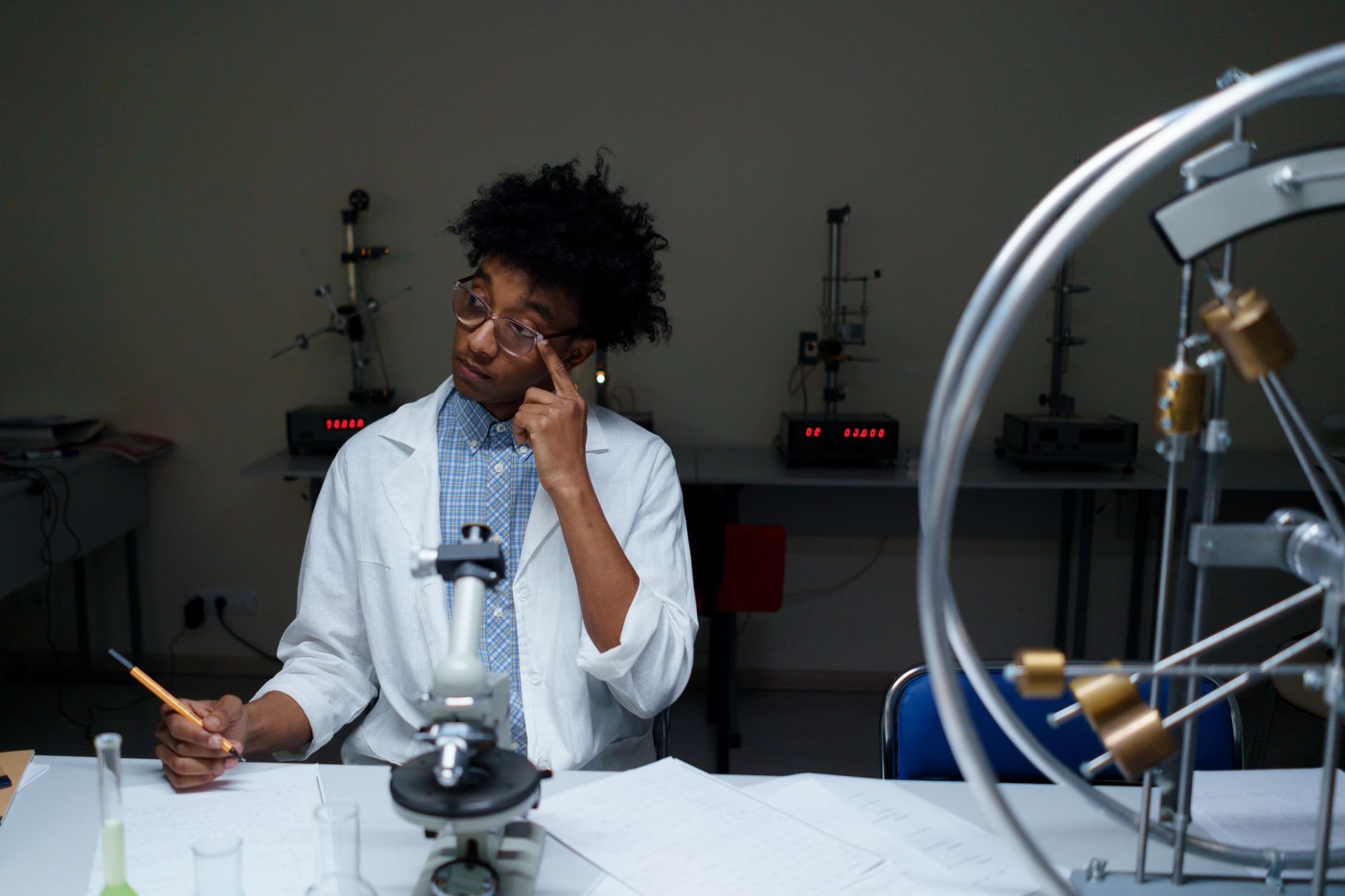
In the contemporary educational landscape, the boundary between being a student and being a contributor to global progress is more porous than ever before. Traditionally, university life was viewed as a period of preparation—a time to absorb established knowledge before entering the professional world to apply it. However, a seismic shift in higher education is transforming campuses into active hubs for solving the world’s most pressing challenges. From climate change and pandemic preparedness to ethical artificial intelligence and social inequality, the research happening within university walls is no longer confined to ivory towers; it is directly plugged into the global survival and innovation engine.
The Evolution of Impact-Driven Education
Modern universities are increasingly adopting a model known as “research-led teaching.” This pedagogical approach ensures that what students learn in their lectures is not just historical theory but the literal “cutting edge” of what is currently being discovered. When professors are active researchers, they bring their live data, their unsolved problems, and their methodological breakthroughs directly into the classroom. For a student, this means that a standard assignment could potentially contribute to a larger dataset used in a global health study or a renewable energy breakthrough.
This shift is driven by the realization that global challenges are too complex to be solved by any one generation or group of experts. By involving students early, universities foster a culture of inquiry and resilience. It transforms the student from a passive consumer of information into an active stakeholder in the future. Whether you are studying engineering, sociology, or computer science, your coursework is increasingly designed to mirror the complexities of the real world.
Technology as the Great Research Accelerator
Technology acts as the nervous system of modern global research. It allows for the processing of vast amounts of data that were previously unmanageable. Students today have access to tools that were unavailable to professional researchers just a decade ago. For instance, in the field of computational biology, students use machine learning models to predict protein folding, a task that has massive implications for drug discovery and treating diseases.
For those interested in the technical side of these solutions, the intersection of software and research is particularly fertile. Developing the platforms that researchers use to collaborate globally requires high-level expertise. Students looking to bridge the gap between code and social impact often find that participating in an AI & Machine Learning Internship provides the foundational skills needed to contribute to high-stakes research environments. These technical skills are the building blocks of the simulations used to model climate change or the algorithms used to detect early-stage wildfires via satellite imagery.
The Role of Big Data and Analytics
We are living in the era of “big data,” where the sheer volume of information can be overwhelming. However, within that data lies the secrets to solving global crises. Universities are now training students to be “data literate” across all disciplines. A history student might use data analytics to map migration patterns over centuries to predict future refugee movements, while a chemistry student might use it to analyze the efficiency of new battery materials.
The ability to interpret complex datasets is one of the most sought-after skills in the modern research economy. Engaging with a Data Analytics & Data Science Internship allows students to master the tools required to turn raw numbers into actionable insights. This capability is central to the United Nations Sustainable Development Goals (SDGs), where tracking progress requires rigorous data collection and analysis from every corner of the globe.
Interdisciplinary Collaboration: Breaking the Silos
One of the most exciting aspects of modern university research is the breakdown of traditional academic silos. Global challenges do not respect the boundaries of academic departments. Solving the water crisis in sub-Saharan Africa, for example, requires the combined expertise of hydrologists (to find the water), engineers (to build the infrastructure), sociologists (to understand community needs), and economists (to ensure the project is sustainable).
Universities are responding by creating interdisciplinary research centers where students from different majors work together. This environment teaches students how to communicate across disciplines—a skill that is invaluable in the professional world. It also mirrors the structure of global organizations like the World Health Organization or the IPCC, where experts from diverse backgrounds must find a common language to solve a shared problem.
Cybersecurity in an Interconnected World
As research becomes more digitized and collaborative, the security of that research becomes paramount. From protecting sensitive medical data to securing the intellectual property of a new green technology, the role of digital defense cannot be overstated. Students who specialize in the technical integrity of these systems are the unsung heroes of the research world. Those pursuing a Cyber Security & Ethical Hacking Internship are essentially learning how to build the digital fortifications that keep global research safe from bad actors and state-sponsored espionage.
From Classroom to Career: The Research Advantage
Engaging in research during your studies isn’t just about solving global problems; it is also a powerful career move. Employers across all sectors are looking for graduates who can demonstrate critical thinking, problem-solving abilities, and the capacity to work on long-term, complex projects. When a student can point to a research paper they co-authored or a project where they applied classroom knowledge to a real-world problem, they immediately stand out in a crowded job market.
- Critical Thinking: Research requires you to question assumptions and look for evidence, a skill highly valued in management and consultancy.
- Project Management: Managing a research project involves timelines, resource allocation, and meeting milestones.
- Technical Proficiency: Whether it’s laboratory equipment or specialized software, research provides hands-on experience that is often more intensive than standard coursework.
- Network Building: Working on research projects connects students with faculty, PhD candidates, and industry partners, creating a professional network before they even graduate.
The Human Element: Ethics and Responsibility
While technology and data are essential, the most important component of research-tackling global challenges is the human element. University studies provide the ethical framework necessary to navigate the complexities of innovation. As we develop more powerful AI or more invasive biotechnologies, the question is no longer just “Can we do this?” but “Should we do this?”
Higher education institutions serve as the moral compass for global research. Through seminars, ethics boards, and philosophy courses, students are encouraged to consider the long-term implications of their work. This ensures that the solutions of tomorrow do not create the problems of the day after. For students, this means their studies are not just about gaining technical skill, but about developing the wisdom to use those skills for the greater good.
Opportunities for Student Involvement
Many students wonder how they can get involved in this high-level work. The path is often more accessible than it seems. Most universities have undergraduate research schemes, summer fellowships, or collaborative projects with industry partners. The first step is often as simple as reaching out to a professor whose work aligns with your interests. Professors are almost always looking for motivated students to assist with data entry, literature reviews, or lab maintenance.
Furthermore, many global organizations offer student competitions and hackathons. These events provide a platform for students to present their ideas to experts and receive funding or mentorship to take their projects to the next level. Organizations like QS Quacquarelli Symonds often highlight universities that excel in research impact, helping students choose institutions that prioritize real-world contributions.
The Future of Student-Led Research
As we look toward the future, the role of the student in global research will only continue to grow. With the rise of open-access journals and global digital collaboration platforms, a student in a small town can collaborate with a lab on the other side of the planet. The democratization of information means that the next great idea for carbon sequestration or vaccine delivery could come from a sophomore’s dorm room just as easily as a corporate laboratory.
The connection between your studies and global challenges is a powerful motivator. It gives purpose to long hours in the library and difficult exams. You aren’t just earning a degree; you are gaining the tools to contribute to the survival and flourishing of our global society. By choosing modules, internships, and projects that align with your passions for change, you turn your education into a catalyst for a better world.
In the end, the most significant impact of connecting studies with research is the transformation of the student themselves. You emerge not just as a graduate, but as a global citizen equipped with the analytical rigor, technical skill, and ethical grounding to face whatever challenges the future may hold. The transition from student to change-maker doesn’t happen after graduation—it happens every time you apply your learning to a problem that matters.
#highereducation #globalresearch #stemeducation #futureofwork #academicinnovation #studentimpact


 Views Today : 114
 Views Yesterday : 180
 Your IP Address : 216.73.217.53