
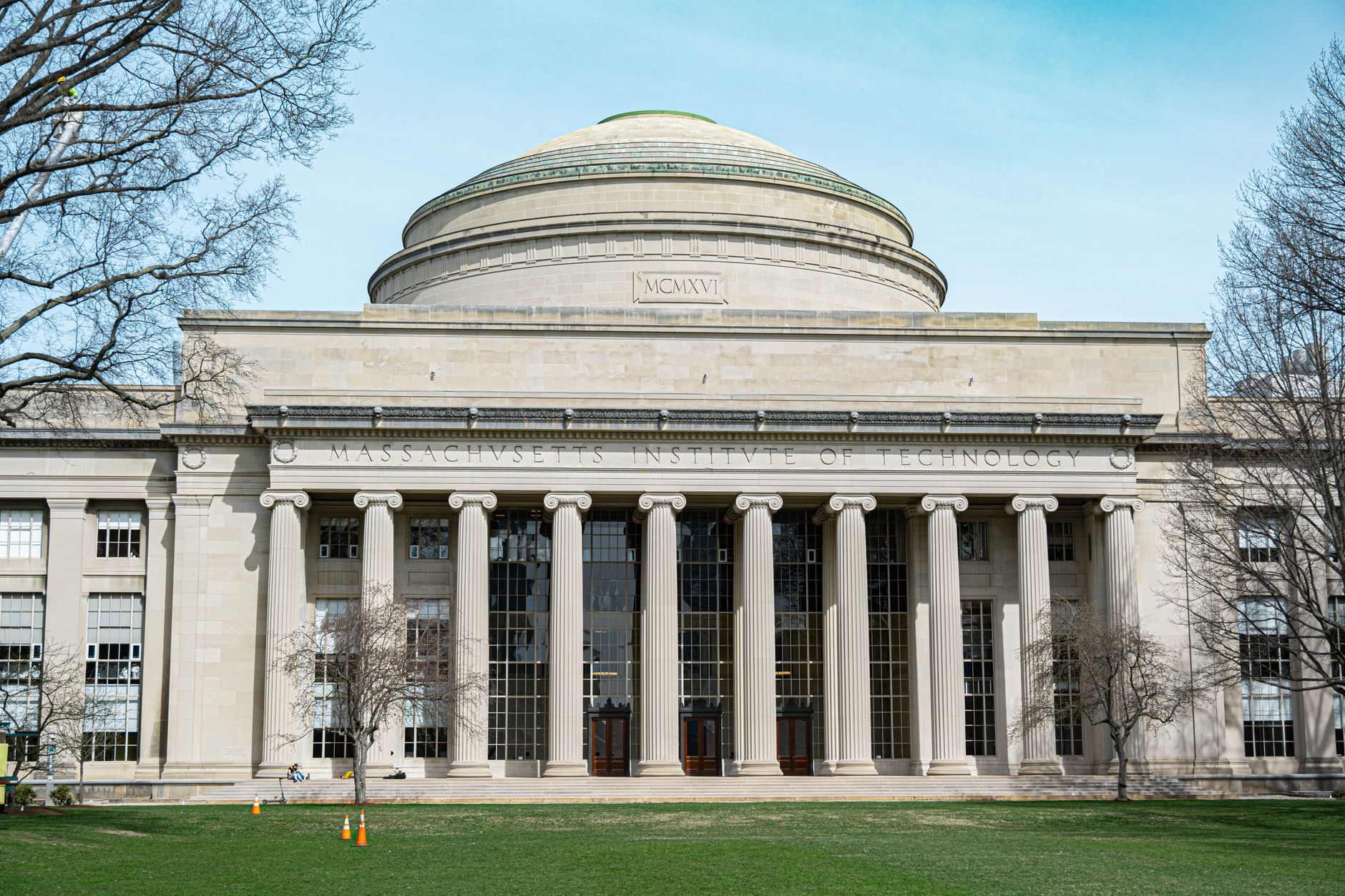
Boston University recently found itself at a financial crossroads that mirrors a growing trend across the landscape of private higher education. The institution reported a revenue shortfall of approximately $42 million, a figure that has sent ripples through the academic community. This gap between projected income and actual receipts highlights the precarious nature of modern university finances, where even prestigious, well-established institutions are not immune to the shifting tides of the global economy and changing student demographics.
While a $42 million deficit might seem like a manageable hurdle for an organization with a multi-billion-dollar operating budget, the context provided by university leadership suggests a deeper systemic challenge. The Chief Financial Officer has been clear that the remedy for this situation cannot simply be a series of one-time cost-cutting measures. Instead, the institution is looking toward structural transformations that will redefine how it operates on a much broader scale. This shift from temporary fixes to long-term restructuring marks a significant moment in the university’s history, signaling that the traditional models of higher education funding are under intense pressure.
The Economic Context of Modern Universities
To understand why a major university like BU is facing such a significant revenue miss, one must look at the broader economic environment. Universities today are grappling with a complex web of rising operational costs, inflationary pressures, and a highly competitive market for student enrollment. For decades, the primary lever for balancing the books in private higher education was a steady increase in tuition. However, we have reached a point where the price elasticity of tuition is being tested. Families are increasingly scrutinizing the return on investment of a degree, leading to a more cautious approach to student debt and enrollment choices.
Furthermore, the physical maintenance of a massive urban campus in a city like Boston is an expensive endeavor. From energy costs to the rising wages required to retain high-quality faculty and support staff, the baseline expenses for running a top-tier research university continue to climb. When revenue from tuition or auxiliary services—such as housing and dining—fails to meet expectations, the impact is felt immediately across all departments. This is not just a localized issue for Boston University but a cautionary tale for private institutions nationwide.
Moving Beyond One-Time Budget Cuts
The standard response to a budget shortfall in the corporate or academic world often involves a “belt-tightening” phase. This might include hiring freezes, delayed maintenance, or reductions in departmental travel budgets. While these actions provide immediate relief, they rarely address the underlying cause of the financial gap. Boston University’s leadership has acknowledged that the $42 million shortfall is a symptom of a larger evolution in the academic industry. By moving away from one-time cuts, the university is signaling an intent to re-examine its fundamental business model.
Structural change often involves rethinking how services are delivered and how administrative functions are organized. In many cases, this leads to an increased reliance on technology and data-driven decision-making. For instance, many institutions are turning to data analytics and data science to better understand student retention and recruitment patterns. By using advanced modeling, universities can more accurately predict enrollment numbers and identify areas where operational efficiency can be improved without compromising the quality of education.
The Student Perspective: Value and Opportunity
For current and prospective students, news of a multi-million-dollar shortfall can be concerning. There is often a fear that budget gaps will lead to higher tuition or a reduction in student services. However, a structural shift can also be viewed as an opportunity for the university to modernize its offerings. In an era where digital skills are paramount, students are looking for programs that bridge the gap between academic theory and professional practice. This shift is driving a renewed focus on career readiness and experiential learning.
As universities restructure, there is an increasing emphasis on ensuring that graduates are prepared for the modern workforce. This often means integrating more practical training into the curriculum and strengthening ties with industry partners. For students navigating these changes, seeking out a variety of all internships and professional development opportunities has become a critical part of the college experience. These real-world experiences provide a safety net, ensuring that regardless of an institution’s internal financial shifts, the individual student remains competitive in the job market.
The Role of Technological Innovation
In response to financial pressures, many universities are accelerating their digital transformation efforts. Integrating advanced technologies into the classroom and administrative offices is no longer an elective strategy; it is a necessity for survival. By adopting modern software solutions, universities can streamline everything from student registration to research grant management. This digital evolution often creates a demand for professionals who understand the intersection of technology and organizational management.
For example, the demand for skills in full stack development has grown not just in the tech sector, but also within large institutions that need to build and maintain complex internal platforms. By investing in digital infrastructure, universities like Boston University can reduce long-term costs associated with legacy systems and manual processes. This technological pivot is a key component of the “broader scale” changes mentioned by the CFO, allowing the institution to operate more leanly while potentially reaching a wider audience through online and hybrid learning models.
The Importance of Diverse Revenue Streams
One of the primary lessons from the $42 million revenue miss is the danger of being overly reliant on a single source of income. For most private universities, tuition remains the dominant driver of the budget. When enrollment fluctuates or financial aid needs increase, the entire financial foundation can become unstable. To counter this, many institutions are exploring more diverse revenue streams, including corporate partnerships, professional certification programs, and expanded research initiatives.
Research funding, in particular, is a vital lifeline for institutions like BU. By attracting federal and private grants, the university can support high-level inquiry that not only advances knowledge but also brings in necessary overhead funding. However, the competition for these grants is fierce. This forces universities to be more strategic about which research areas they prioritize, often leaning toward emerging fields like artificial intelligence, biotechnology, and sustainable energy.
The Long-Term Impact on Faculty and Research
When an institution undergoes broad structural changes, the faculty are often at the center of the transition. There is a delicate balance between maintaining the academic integrity of traditional disciplines and pivoting toward high-growth, high-revenue areas. Faculty members may be asked to take on different roles, or departments may be consolidated to reduce administrative overhead. While these changes are difficult, they are often designed to protect the core mission of the university: teaching and research.
The key to successful restructuring lies in transparency and collaboration. If faculty and staff feel they are part of the solution, they are more likely to support the innovations necessary to bridge the revenue gap. According to reports from the Chronicle of Higher Education, institutions that involve their academic community in financial planning tend to recover more quickly from budget shortfalls. This collaborative approach ensures that the “human capital” of the university—its scholars and educators—remains the top priority throughout the restructuring process.
The Future of Higher Education Finance
The situation at Boston University is a microcosm of the challenges facing the entire higher education sector. We are entering an era of “The Great Realignment,” where universities must reconcile their historical prestige with the economic realities of the 21st century. The schools that thrive will be those that can successfully navigate this transition, embracing new technologies and more efficient operating models while staying true to their educational values.
Looking ahead, we can expect to see more universities engaging in long-term financial planning that prioritizes sustainability over rapid expansion. This might mean smaller incoming classes, more focused academic programs, or a significant increase in public-private partnerships. The goal is to create an institution that is resilient enough to withstand economic volatility and flexible enough to adapt to the changing needs of its students and society at large.
Ultimately, the $42 million shortfall at Boston University serves as a wake-up call for the academic world. It is a reminder that even the most successful organizations must be willing to evolve. By looking beyond one-time cuts and focusing on systemic improvements, the university has the potential to emerge stronger, more efficient, and better equipped to provide a world-class education in an increasingly complex global environment. The path forward requires a blend of financial discipline, technological adoption, and a steadfast commitment to the student experience.
#highereducation #universityfinance #bostonuniversity #academicinnovation #educationtrends #studentlife


 Views Today : 139
 Views Yesterday : 163
 Your IP Address : 18.97.9.96