
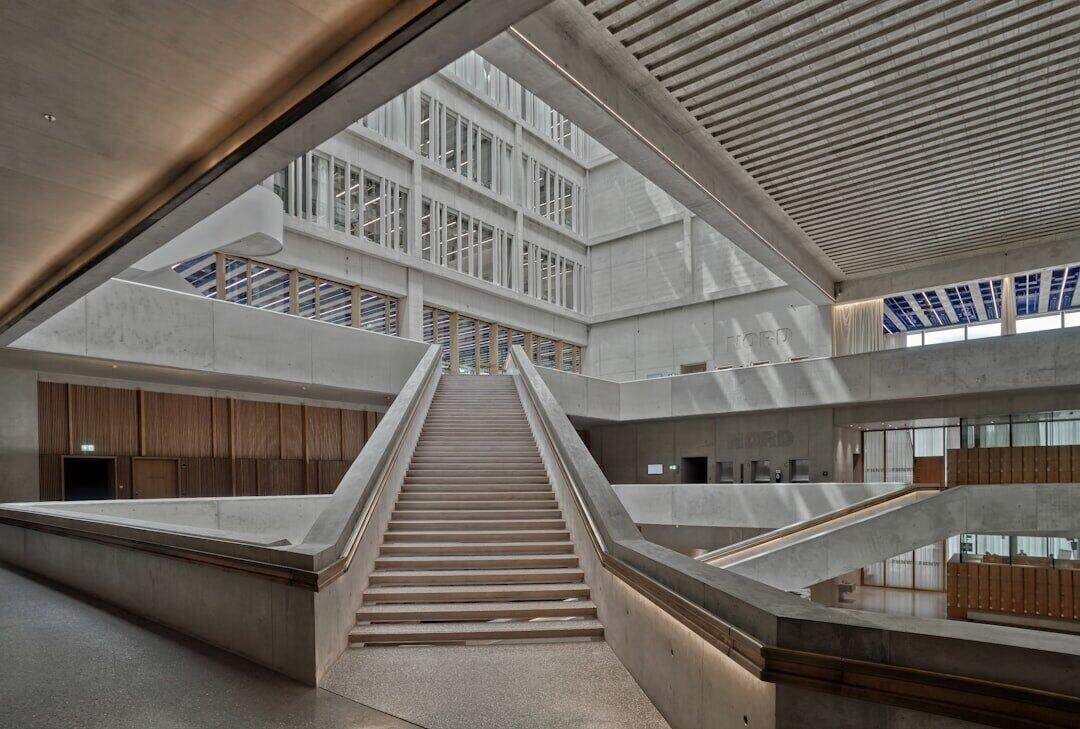
Excerpt: SHL’s BSc in Hospitality Management combines Swiss hands-on training, international student life, and real industry exposure to prepare graduates for hotels, airlines, events, and broader service leadership roles. #hospitalitymanagement #studyinswitzerland #hospitalitycareers #internationalstudents #swisseducation #studentlife
Switzerland has long shaped the global image of luxury hospitality. The country’s reputation was not built on glamour alone, but on discipline, consistency, refinement, and a deep understanding of service. That legacy still matters today, especially for students choosing where to study hospitality management in a competitive international industry.
At SHL Schweizerische Hotelfachschule Luzern, that tradition is taught in a way that feels current rather than nostalgic. Located in Lucerne, the school combines practical hospitality education with broader business learning, giving students a path into hotel operations, guest experience, project coordination, events, and service leadership. The school’s English-language BSc in Hospitality Management is especially appealing to students who want more than classroom theory and are looking for a degree that translates into employable skills.
What makes the programme distinctive becomes clearer through the experiences of students and recent graduates. Their reflections show that SHL is not simply about learning how hotels function. It is about understanding people, mastering operations, building confidence in real settings, and developing a flexible mindset that works well beyond traditional hotel roles.
A Swiss hospitality education with a practical core
Many hospitality degrees promise industry relevance, but SHL’s model stands out because practice is not treated as an add-on. Students are introduced early to the real mechanics of hospitality: food preparation, service standards, presentation, timing, quality control, and the routines that create memorable guest experiences.
That matters because hospitality is one of those fields where confidence often comes from repetition. A student can understand service principles in a lecture, but the lessons become far more valuable when applied in kitchens, service settings, and internship environments. SHL’s structure reflects that reality. It gives students the chance to build operational understanding before moving more deeply into management and business topics.
This Swiss approach also carries cultural weight. Precision, discretion, and attention to detail are not abstract ideals in hospitality education here; they are part of the professional language students learn to use every day. For anyone hoping to work in luxury hotels, premium travel, or high-standard service environments, that foundation can be especially useful.
What daily life looks like for students
More than lectures and textbooks
One of the clearest insights from current student experience is that a typical day at SHL is varied. Rather than spending entire days in lecture halls, students move between academic classes, practical sessions, and collaborative work. That rhythm is important because hospitality management is a field that connects theory and action almost constantly.
Campus life appears to support that sense of immersion. A day may begin with breakfast on campus, continue with classes and practical training, and then shift into workshops, study sessions, or social time in the evening. This routine helps students develop both structure and adaptability, two traits that hospitality employers value.
External lectures and workshops also keep the programme aligned with current industry conversations. Topics such as wellness and artificial intelligence are increasingly relevant in hospitality, where guest expectations are changing quickly. Hotels now use digital tools for personalization, operations, forecasting, and service design. Students who become comfortable thinking about service alongside innovation are likely to be better prepared for where the sector is heading. Those interested in the technology side of guest experience may also benefit from exploring an AI and Machine Learning internship to understand how data-driven systems are influencing modern service businesses.
Assignments that mirror real hospitality work
Another strength of the SHL BSc is the type of assignments students complete. Rather than focusing only on exams or theory-heavy coursework, the programme includes practical tasks, presentations, and industry-related projects that reflect the realities of hospitality work.
Students build experience in areas such as:
- kitchen operations and food preparation
- working with local ingredients and understanding product quality
- table setting and formal service standards
- wine tasting and beverage knowledge
- presentations and communication exercises
- internship-based learning linked to professional environments
This kind of training matters because hospitality careers are highly visible. Employers often look for people who can operate calmly, communicate clearly, and understand both guest-facing and behind-the-scenes workflows. Students who gain exposure to different functions early are better positioned to discover their strengths before specializing.
For learners comparing career-focused education pathways, this also reinforces the wider value of structured work experience. Building practical confidence through placements and supervised training is one reason many students actively seek internship opportunities while shaping their long-term career direction.
Why studying hospitality in Switzerland still carries weight
Switzerland remains one of the most recognized destinations for hospitality education, and that reputation continues to influence how employers view graduates. The country’s hospitality ecosystem connects schools, hotels, tourism networks, luxury brands, and international employers in a way that gives students meaningful exposure.
For SHL students, that reputation is not just symbolic. Career days, excursions, industry events, and networking opportunities provide early contact with professionals who understand the Swiss training model. That can make it easier for students to see how classroom learning maps onto real roles in hotels, travel brands, events, and service operations.
An international classroom with real career value
One of the recurring benefits students describe is the international community. In hospitality, this is more than a nice social feature. Working with peers from different cultures mirrors the environments graduates are likely to encounter in global hotels, tourism companies, and guest experience teams.
International classrooms help students sharpen skills that are difficult to teach in a purely academic way:
- cross-cultural communication
- awareness of guest expectations across markets
- teamwork with diverse personalities and working styles
- adaptability in multilingual or multicultural settings
- confidence in global service environments
These are increasingly valuable in an industry where luxury brands and travel businesses serve guests from every part of the world. A hospitality degree becomes much stronger when students are already learning in that kind of environment.
Lucerne adds something many student cities cannot
Location plays a bigger role in student satisfaction than many applicants realize. Lucerne gives SHL an advantage because it offers a high-quality living environment without losing the energy students want from university life. The city combines access to cafés, culture, and nightlife with the visual appeal that Switzerland is known for.
Set between lake and mountains, Lucerne also supports a lifestyle that feels balanced. In winter, students can head to the mountains for skiing. In warmer months, the lake becomes part of daily life, whether for relaxation, social time, or simply taking a break from study routines. That balance matters in a demanding programme where practical work and academic expectations can be intense.
For international students especially, a city like Lucerne can make the transition easier. It offers a welcoming scale, beautiful surroundings, and a sense of safety and order that helps students settle in quickly. A good academic experience is rarely just about the classroom; it is also about whether students can imagine themselves living well, building friendships, and staying motivated throughout the programme.
From operations to management: why the structure matters
One of the most valuable insights from graduates is that SHL does not rush students into management language before they understand hospitality operations. The first part of the programme focuses more strongly on the operational side of service, while later stages shift toward general business and management topics.
That progression is especially smart for students who are still exploring where they fit in the industry. Some begin with a strong interest in hotels, only to discover they enjoy events, project work, airline hospitality, revenue planning, or corporate coordination more. A programme that exposes students to both service delivery and business thinking creates more room for informed decisions.
It also produces a stronger type of manager. In hospitality, the best leaders usually understand the reality of frontline work. They know what excellent service looks like, what pressure feels like during operations, and how small details affect the guest experience. When students move from operational learning into leadership and business modules, they carry that practical understanding with them.
That combination can strengthen a wide range of professional skills:
- problem-solving under pressure
- service quality awareness
- team coordination
- communication across departments
- project planning and execution
- business thinking grounded in real operations
More details on the school’s approach and programme structure can be found on the official SHL website, which is useful for students comparing hospitality degrees in Europe.
Career paths that go beyond hotel front desks
A common misconception about hospitality degrees is that they lead only to conventional hotel roles. In reality, hospitality management graduates often move into a much broader set of careers, especially when their education combines service training with business understanding.
SHL’s student and graduate experiences reflect that wider picture. Yes, luxury hotels and resorts remain a natural destination for many students, particularly those drawn to premium guest service and international travel. But the same skill set can also transfer into airlines, events, project management, corporate hospitality, reservations, wellness operations, and brand experience roles.
Luxury and high-end service environments
For students like Camille, the appeal of high-end hospitality is obvious. Practical training paired with internships can lead directly into luxury environments, where attention to detail and personalized service matter most. An internship in villa rental reservations at a premium destination property is a good example of how the degree connects students to specialized, globally mobile opportunities.
These roles often require more than friendliness. They demand discretion, coordination, product knowledge, and the ability to anticipate guest needs. Students trained in Swiss hospitality standards are often well suited to those expectations.
Airlines, events, and project-focused roles
Graduate outcomes also show how transferable the degree can be. Work connected to SWISS International Air Lines highlights an important point: hospitality skills are valuable in transport and premium travel environments too. In such roles, graduates may focus less on direct face-to-face guest service and more on hospitality projects, event planning, coordination, and service quality design across different touchpoints.
That shift matters because many students enter hospitality with broad strengths. Some enjoy operations. Others enjoy planning, logistics, communication, or cross-functional teamwork. A well-rounded programme makes room for all of these directions.
Potential career areas after a hospitality management degree can include:
- hotel and resort operations
- guest relations and luxury service
- reservations and revenue support
- airline hospitality and premium travel services
- event planning and coordination
- wellness and lifestyle hospitality
- project management in service businesses
- corporate client experience roles
Is SHL a strong option for international students?
For many applicants, the answer appears to be yes, especially if they want a hospitality school that feels personal rather than overwhelming. SHL’s smaller scale seems to be one of its most attractive qualities. In large institutions, students can sometimes feel anonymous. In smaller learning environments, it becomes easier to ask questions, build closer relationships with lecturers, and receive feedback that actually shapes performance.
That kind of environment can make a major difference in a practical subject like hospitality. Students improve faster when instructors can see how they work, how they communicate, and where they need support. It also helps build a stronger sense of community. Friendships formed in collaborative settings often become professional networks later on.
What students should know about working in Switzerland
It is also worth being realistic about post-study opportunities. Switzerland is attractive, but access to work opportunities depends on nationality and legal requirements. Students from EU and EFTA countries may find the pathway more straightforward, while non-EU and non-EFTA students should carefully review regulations and employer expectations before planning a long-term move.
The most reliable starting point is official information, such as Swiss government guidance on work permissions. Even when graduates do not remain in Switzerland, however, the international nature of hospitality means the skills developed there often travel well across global markets.
What makes SHL’s BSc different from many other hospitality degrees
When the student and graduate perspectives are viewed together, a few clear strengths stand out. SHL’s BSc in Hospitality Management feels distinctive not because of one dramatic feature, but because several useful elements work together.
- Swiss service heritage: students learn in a country with deep hospitality credibility.
- Hands-on learning: operational training is embedded early, not delayed or marginalized.
- Industry exposure: workshops, networking, and internships keep learning connected to real employers.
- Business progression: the curriculum moves from service operations into broader management capabilities.
- International student community: cross-cultural learning becomes part of everyday education.
- Smaller school environment: students benefit from collaboration and more personalized support.
- Career flexibility: graduates can pursue hotels, airlines, events, and service-related management roles.
That mix is especially appealing for students who want a degree that is polished but not purely theoretical, global but still personal, and career-focused without becoming narrow.
Who is likely to benefit most from this kind of programme
SHL’s BSc is likely to suit students who enjoy working with people, care about standards, and want a practical route into an international career. It can be a strong fit for those drawn to luxury service, guest experience, premium travel, or event-driven environments. It is also a good choice for students who are interested in hospitality but not yet certain whether they want to stay in hotels long term.
The broader value of the degree lies in the mindset it builds. Hospitality education at its best teaches students how to stay composed, solve problems quickly, collaborate across teams, and maintain quality under pressure. Those are not niche abilities. They are valuable in many service-led industries.
For students comparing hospitality schools, that may be the most practical takeaway. A good programme should not only teach service techniques. It should help students understand why those techniques matter, how businesses actually run, and where their skills can take them next.
A degree shaped by service, but not limited to it
What stands out most about SHL’s BSc in Hospitality Management is the way it connects tradition with modern relevance. The Swiss foundation gives the programme credibility, but the student experience gives it energy. Practical assignments, internships, workshops, international classmates, and a supportive campus setting all contribute to a degree that feels grounded in real life rather than educational marketing.
For students who want hospitality education to be immersive, career-oriented, and internationally useful, SHL offers a compelling model. It prepares graduates for hotels, certainly, but it also prepares them for something wider: a professional world where service, adaptability, and operational intelligence are increasingly valuable across industries.
#hospitalitymanagement #studyinswitzerland #hospitalitycareers #internationalstudents #swisseducation #studentlife


 Views Today : 6
 Views Yesterday : 195
 Your IP Address : 216.73.217.139