
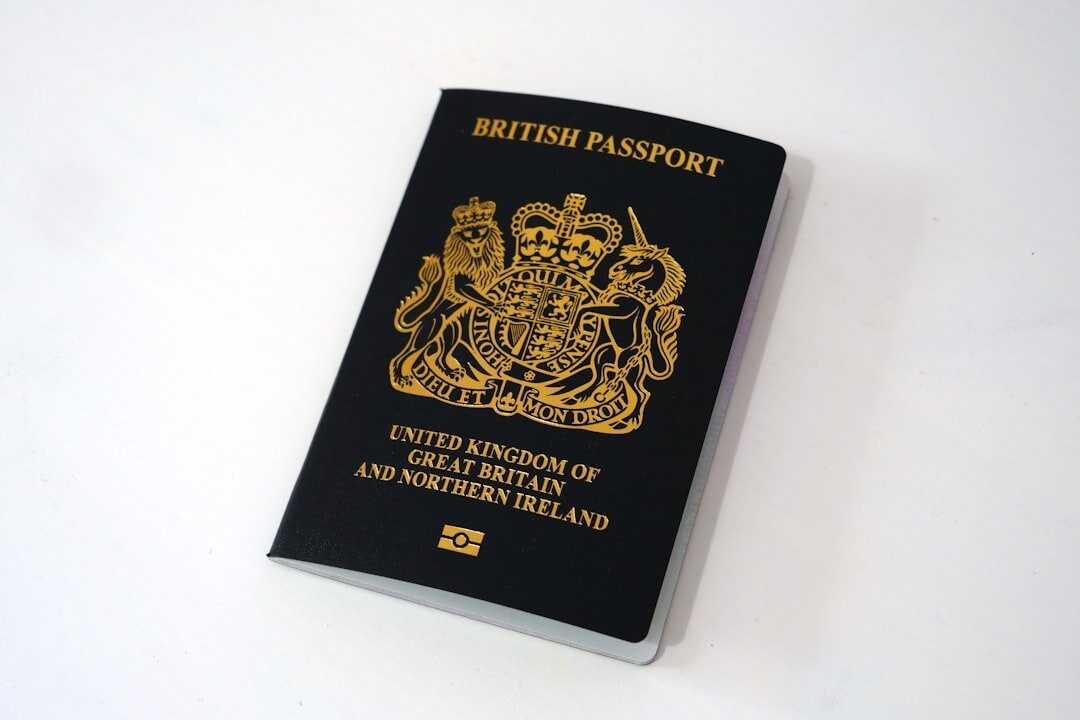
The UK government has tightened an important part of the student visa compliance system just as new oversight rules begin to take effect for universities. A revised Home Office wording update now changes how administrative review cases are treated in the calculation of visa refusal rates under the Basic Compliance Assessment, or BCA. For institutions that rely heavily on international enrolment, this is not a technical footnote. It affects compliance risk, public ratings, admissions strategy, and the way universities manage student recruitment from the first enquiry to final enrolment.
Excerpt: UK universities now face stricter BCA thresholds and revised refusal-rate rules, making visa compliance, enrolment quality, and course completion more important than ever. #ukstudentvisa #highereducation #homeoffice #internationalstudents #ukuniversities #compliance
Why this policy amendment matters now
The timing of the update is significant. From June 2026, UK universities sponsoring international students must meet tighter compliance thresholds across three core areas: visa refusals, enrolment rates, and course completion rates. These metrics are no longer background administrative measures. They now sit at the centre of a more visible Red, Amber, Green rating system that could shape reputational standing as well as regulatory scrutiny.
The revised wording addresses a concern that had been building across the sector for months. Earlier language suggested that students with live administrative reviews would not be included in refusal-rate calculations. That created an obvious concern: if a refused application entered the review process and remained unresolved for months, it could temporarily disappear from the compliance picture. In an environment where universities are judged on narrow thresholds, even a small number of cases can make a meaningful difference.
The Home Office has now clarified that only students whose refusals are later overturned through a successful administrative review will be excluded from the visa refusal calculation. That closes a loophole many in the sector saw as a potential blind spot.
Understanding the new BCA and RAG rating system
The Basic Compliance Assessment is the framework the UK uses to judge whether student sponsors are meeting the standards expected of licensed institutions. In practice, it is a core part of the sponsor compliance regime that underpins the international student visa system.
Under the updated structure, universities are measured across three indicators:
- Visa refusal rate: must stay below 5%
- Enrolment rate: must be at least 95%
- Course completion rate: must be at least 90%
For institutions aiming to secure a Green rating, the bar is set even higher:
- Visa refusal rate below 4%
- Enrolment rate of at least 96%
- Course completion rate of at least 92%
One of the most important details is that universities will be judged by their lowest-performing metric, not by an average score across all three. A university can perform strongly on enrolment and completion, but if its refusal rate slips into the red zone, that lowest score defines the overall rating.
That makes the system more unforgiving. It also encourages universities to treat international recruitment as a full-lifecycle process rather than a volume exercise. Strong marketing alone is no longer enough. Institutions must recruit students who are likely to obtain visas, enrol on time, and complete their studies successfully.
According to the official Student Sponsor Guidance, a Red rating can trigger an action plan from UK Visas and Immigration. In other words, falling below the threshold is not just a statistical setback. It may lead to direct intervention and heightened monitoring.
The administrative review blind spot explained
At the heart of this policy adjustment is the question of administrative reviews. When a student visa is refused, the applicant may in some cases seek an administrative review if they believe the decision contains a caseworking error. That process serves an important fairness function. It gives applicants a mechanism to challenge decisions without starting from scratch.
The problem arises when the review system is slow. Reports of administrative review backlogs stretching to several months created concern that a refused application could remain outside BCA calculations while unresolved. If institutions encouraged students to file reviews simply to delay the compliance impact of a refusal, the system could be distorted.
The Home Office amendment appears designed to prevent that outcome. By clarifying that only successful reviews remove a refusal from the calculation, the government is trying to align the policy wording with its intended purpose: a sponsor should not be penalised for a refusal that is later proven wrong, but nor should unresolved cases be used to shield performance data.
This is an important distinction. Administrative reviews should protect students from mistaken refusals. They should not become a tactical buffer within university compliance management.
Why the 12-month look-back raises the stakes
The policy wording also confirms that visa refusal rates will be assessed across the 12 months immediately before a university applies for a BCA audit, using Confirmation of Acceptance for Studies data from the sponsor management system. That means historical performance matters, and it matters immediately.
For universities, this creates a practical challenge. Winter and spring intakes in 2026 may now be judged under rules that are stricter than the environment in which those cohorts were originally recruited. Institutions cannot simply focus on future admissions cycles. They must review recent recruitment quality, document checks, agent performance, and student communication across the full look-back period.
In compliance terms, the message is simple: old habits can create new risk. If an institution has been taking a relaxed approach to applicant filtering, financial evidence checks, or pre-CAS interviews, those weaknesses may now surface under the tighter thresholds.
What universities will need to do differently
For many providers, the new framework will require a more disciplined recruitment model. Universities that expanded international intake rapidly over recent years may now need to slow down, refine processes, and invest in stronger compliance operations.
More rigorous applicant screening
Visa refusal rates are often shaped long before an application reaches UKVI. Weak financial documentation, inconsistent academic history, poor credibility in interviews, or unclear study intentions can all raise refusal risk. Universities will need better internal checks before assigning CAS numbers, especially in high-volume or high-risk markets.
This may involve:
- Stronger document verification procedures
- More detailed credibility interviews
- Tighter oversight of education agents and recruitment partners
- Clearer communication about financial and English-language requirements
- More careful matching between applicant background and chosen course
Closer monitoring after offer stage
The new BCA structure does not stop at visa approval. Enrolment rates and completion rates matter as well. That means universities must pay more attention to what happens after the CAS is issued. A student who receives a visa but fails to enrol, or enrols and later withdraws, can still affect compliance outcomes.
Expect institutions to invest more in arrival support, fee payment follow-up, attendance monitoring, and early intervention for students at risk of disengagement. In many cases, the strongest compliance strategy will look a lot like stronger student support.
Greater reputational sensitivity
A public Red, Amber, or Green label is easy to understand, which also makes it reputationally powerful. Prospective students, recruitment agents, and sector observers are likely to interpret those ratings as a sign of institutional stability and operational quality. Even where the underlying reasons are complex, simplified ratings tend to influence behaviour quickly.
That creates a new pressure point for university leaders. Compliance can no longer sit quietly inside a visa office. It now overlaps with branding, admissions, international strategy, and market confidence.
What international students should pay attention to
Although these rules are aimed at institutions, students are directly affected. Universities under tighter scrutiny may become more selective in who they sponsor, how quickly they issue CAS letters, and how much evidence they request before supporting a visa application.
For applicants, that means preparation matters more than ever. Even strong students can run into visa problems if documents are incomplete or if their academic plans do not appear coherent. A refusal is stressful for the student and increasingly costly for the university’s compliance profile.
Students can reduce risk by focusing on the basics:
- Make sure financial evidence is accurate, current, and fully aligned with visa rules
- Be consistent when explaining course choice, academic background, and career goals
- Respond quickly to university compliance or admissions queries
- Check whether the chosen institution has clear visa guidance and support services
- Keep copies of all documents and communication in case a review is needed
Where a refusal does happen, a successful administrative review may still correct the record. But students should not assume that a review is quick or guaranteed. Delays can disrupt travel, accommodation, enrolment timing, and even scholarship or funding arrangements.
Students who are building a clear academic-to-career narrative may also benefit from connecting their study plans to practical outcomes. For example, many applicants strengthen their long-term planning by exploring industry-facing internship opportunities or specialist skill-building options such as AI & Machine Learning internship programs. That kind of clarity can help applicants explain why a course makes sense for their goals.
Questions the sector still wants answered
While the amendment closes one loophole, it does not resolve every operational question. One issue is how successful administrative reviews will affect a university’s rating after the fact. If a refusal is later overturned and the corrected data would move an institution from Red to Amber or Amber to Green, when does that change become visible?
That matters because public ratings can influence decision-making in real time. If corrections happen slowly, a university may carry the reputational cost of an outdated rating even after the underlying figures improve.
Another unresolved issue is process transparency. Universities will want clarity on how UKVI communicates corrections, how sponsor records are updated, and whether institutions must wait until the next scheduled assessment cycle for a revised public outcome.
For students seeking practical guidance on visa and sponsor issues, support services from organisations such as UKCISA remain valuable, especially when policy changes are moving faster than informal advice channels can keep up.
A wider shift in how the UK manages international education
This policy change is part of a broader trend. The UK still wants to attract international students, but it also wants tighter control over compliance signals, sponsor accountability, and outcome quality. That means universities are being pushed toward more selective, data-driven international recruitment models.
In one sense, that could improve standards. Institutions may become more careful about who they recruit and better at supporting students through to completion. In another sense, the system may become less forgiving, especially for universities operating in difficult markets or serving students with more complex backgrounds.
For applicants, the likely result is a more scrutinised process but also, ideally, a more structured one. Stronger compliance systems can reduce confusion if universities communicate clearly and treat visa readiness as part of student success rather than just a regulatory hurdle.
The latest Home Office amendment shows how much detail matters in immigration policy. A few words in guidance can influence institutional behaviour, data outcomes, and student pathways across an entire sector. As the new BCA thresholds take hold, the universities that adapt best will be the ones that combine compliance discipline with credible student support. That balance may ultimately matter more than any single metric on the dashboard.
#ukstudentvisa #highereducation #homeoffice #internationalstudents #ukuniversities #compliance


 Views Today : 194
 Views Yesterday : 327
 Your IP Address : 216.73.217.139